
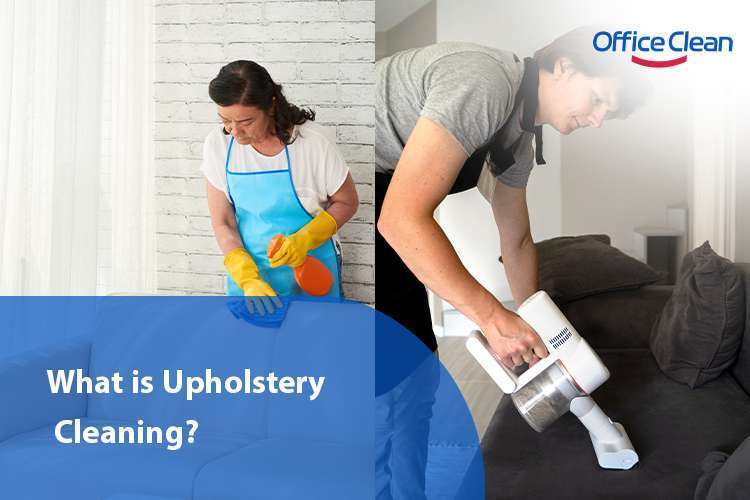
Upholstery cleaning is important as it helps to remove dirt, stains, and allergens from the fabric covering furniture. Unlike hard surfaces, upholstery is made of delicate materials that trap dust, bacteria, and moisture deep within the fabric layers.
Over time, this buildup affects indoor air quality and can shorten the life of your furniture. According to the Environmental Protection Agency (EPA), indoor air is often more polluted than outdoor air, and unclean textiles play a major role in that.
In this article, I will walk you through everything you need to know about upholstery cleaning, from understanding how it works and why your furniture gets dirty, to exploring 10 proven cleaning methods and long-term care tips. I will also help you learn how you can choose the right cleaning service and keep your furniture looking, feeling, and smelling fresh. Let’s begin with the basics.
What is Upholstery Cleaning?
Upholstery cleaning refers to the process of removing dirt, stains, and allergens from the fabric that covers furniture, using specialized techniques and equipment designed for delicate materials.
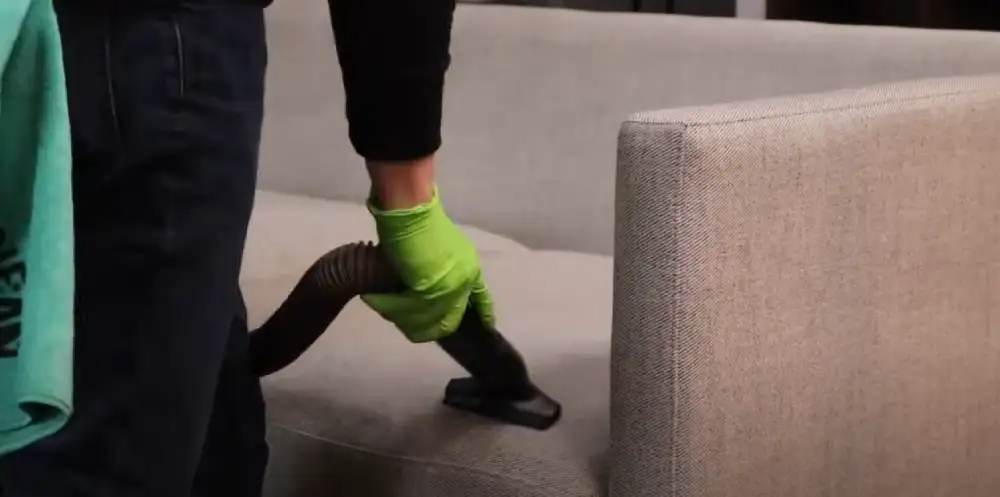
Unlike carpets, upholstery is made of a variety of fabrics, such as cotton, wool, velvet, leather, and synthetic blends. These materials are often more sensitive and require a different approach than hard surfaces or flooring. Simply wiping the surface may not be enough. Dust mites, bacteria, and deep-seated grime can embed themselves within the fabric and foam layers beneath.
Regular upholstery cleaning not only improves the appearance of furniture but also helps extend its lifespan. According to a report by the Environmental Protection Agency (EPA), indoor air can be two to five times more polluted than outdoor air, largely due to pollutants trapped in household textiles, including upholstery.
Professional upholstery cleaning removes these contaminants, improving both air quality and hygiene. Depending on the fabric type, different methods, such as steam extraction or solvent-based dry cleaning, are used to ensure the fabric isn’t damaged during the process.
Why upholstery cleaning is important
Upholstery cleaning is important because it keeps your furniture neat, healthy, and long lasting. With daily use, sofas and chairs trap dust, allergens, and hidden dirt that regular vacuuming cannot reach. A proper deep clean does not just make them look fresh and smell nice, it also protects your family’s health and helps the fabric last longer. In simple terms, it is like giving your furniture a fresh start so your home feels cleaner, safer, and more comfortable.
10 Effective Upholstery Cleaning Methods You Should Know
Different fabrics require different approaches. Understanding the most effective cleaning methods helps prevent damage and ensure deep, lasting cleanliness. There are mainly 10 best upholstery cleaning methods you can follow to clean efficiently. These are:
- Steam Cleaning
- Dry Cleaning
- Foam Cleaning
- Shampoo Cleaning
- Vacuuming
- Spot Cleaning
- Carbonation Cleaning
- Water-Free Powder Cleaning
- Machine Brush Agitation
- Professional Deep Cleaning
I have explained the methods in detail below.
Steam Cleaning (Hot Water Extraction)
Steam cleaning is a powerful method that uses hot water and pressure to loosen dirt from upholstery fibers, then extracts it using a vacuum system.

It’s considered one of the most effective ways to clean heavily soiled furniture. A 2020 study published in the Journal of Environmental Health found that hot water extraction reduced microbial contamination by over 90%, making it ideal for households with children or allergy sufferers. It also helps in removing stubborn stains and neutralizing odors without using harsh chemicals.
However, this method is best suited for fabrics that can handle moisture, like microfiber or polyester blends.
Dry Cleaning (Solvent-Based)
Dry cleaning for upholstery uses a chemical solvent instead of water, which is ideal for fabrics that may shrink or get damaged by moisture.
This method involves applying a cleaning solution, gently agitating the fabric, and then vacuuming it off. Since it doesn’t require drying time, it’s often used in commercial settings or for delicate materials like silk or linen. According to the American Cleaning Institute, dry solvent methods can remove oily and greasy stains more effectively than water-based approaches.
Always test a small area first to ensure the fabric reacts well to the chemicals used.
Foam Cleaning (Encapsulation Method)
Foam cleaning involves applying a thick layer of foam to the fabric surface, letting it encapsulate dirt, and then vacuuming it off once it sets in.
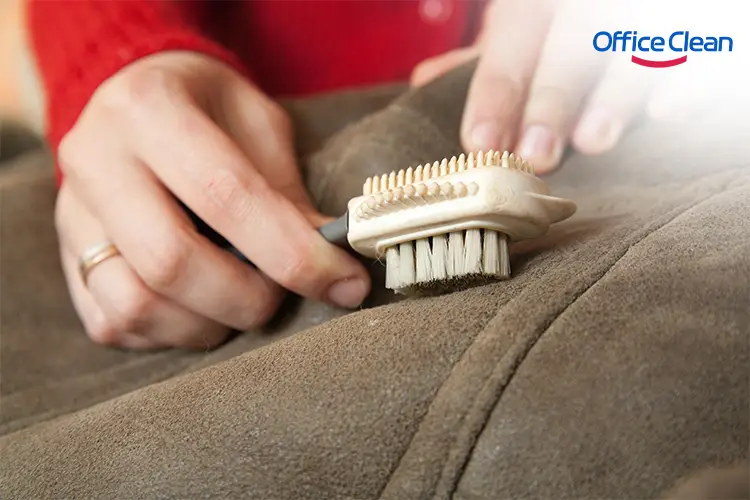
Encapsulation is popular because it dries quickly and leaves minimal residue. It’s commonly used in office furniture and other settings where rapid turnaround is essential. The foam traps dirt particles, which are then easily removed during vacuuming. This method is low-moisture, making it safe for sensitive fabrics.
It’s a great option for routine maintenance when the upholstery isn’t heavily soiled.
Shampoo Cleaning
This method uses a specially formulated shampoo applied with a soft brush to agitate and lift dirt from fabric surfaces.
The cleaning agent breaks down soil and debris, which is then rinsed and vacuumed. Shampoo cleaning is highly effective for removing surface stains and odors, especially on older or lightly colored furniture. However, it often requires a longer drying time compared to other methods and should be used cautiously to prevent over-wetting.
Frequent use without thorough drying can lead to mildew growth beneath the fabric.
Vacuuming
Vacuuming is the simplest and most frequently recommended method for regular maintenance of upholstered furniture.
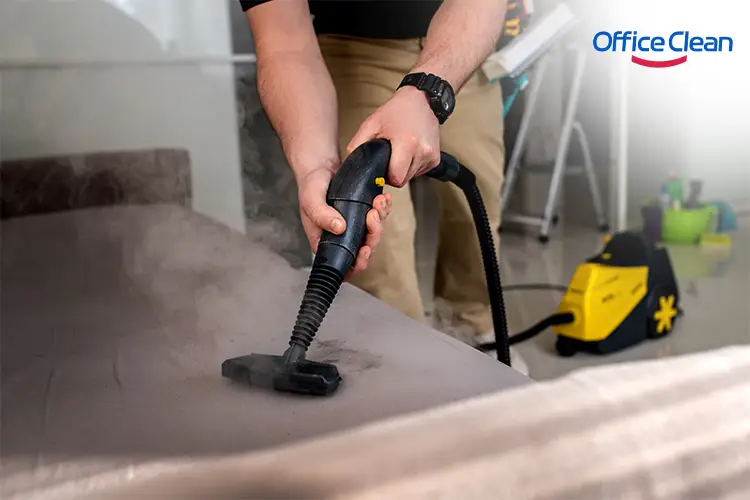
A high-efficiency particulate air (HEPA) vacuum can capture allergens like dust mites and pollen, making it essential for allergy-prone individuals. Frequent vacuuming prevents debris from settling deep into the fabric, where it becomes harder to remove. The National Asthma Council Australia recommends vacuuming upholstered furniture weekly, especially in households with pets or young children.
Using a soft brush attachment ensures fabric safety and avoids pulling or damaging delicate threads.
Spot Cleaning
Spot cleaning targets small areas of upholstery affected by spills or stains using mild cleaning agents or fabric-specific stain removers.
This method is best for urgent cleanups, such as wine, coffee, or food stains. It’s crucial to act fast: the longer a stain sets in, the harder it becomes to remove. A study in the Textile Research Journal notes that fresh stains have a 60–80% higher removal rate compared to older, set-in ones. Always blot, never rub, to avoid spreading the stain.
Patch testing is essential before applying any cleaning solution to ensure fabric compatibility.
Carbonation Cleaning
This eco-friendly method uses tiny carbonated bubbles to lift dirt and grime from deep within upholstery fibers, requiring less water than steam cleaning.
The carbonated solution penetrates the fabric and brings dirt to the surface, which is then wiped or vacuumed away. It’s a preferred method by companies focused on green cleaning practices. Because it uses less water and upholstery dries faster, often within 1–2 hours. Carbonation also leaves behind fewer residues, reducing the chances of re-soiling.
This technique works best on lightly to moderately soiled furniture.
Water-Free Powder Cleaning
This method uses an absorbent powder sprinkled over the upholstery, which binds to dirt and oil. After settling for a short time, it’s vacuumed off.
Powder cleaning is completely dry, making it perfect for moisture-sensitive materials. It’s also safe for daily use and fast-turn environments like clinics and libraries. The powder acts as a gentle abrasive that breaks apart surface oils and traps particles. This method should not be used on fabric with open weaves, as residue may remain.
Ideal for maintenance cleaning between deep cleans.
Machine Brush Agitation
This method uses a motorized soft-bristled brush to scrub upholstery with a cleaning solution, loosening embedded dirt and grime.
The brush action provides deeper agitation than hand scrubbing and is effective on flat, durable fabrics like canvas or synthetic blends. It’s often paired with shampoo or foam cleaners to boost their effectiveness. While highly efficient, it should be avoided on fragile materials to prevent tearing or fraying.
Operators must use the correct pressure to avoid damaging seams or cushions.
Professional Deep Cleaning Services
Hiring a professional cleaning service ensures that your upholstery is treated with the correct methods, equipment, and products suited for its specific material.
Certified technicians follow industry best practices and use high-grade equipment to deliver more thorough results than DIY methods. According to IICRC (Institute of Inspection, Cleaning and Restoration Certification) standards, professional upholstery cleaning should be done at least once every 12–24 months, depending on usage.
Professionals also identify fabric types and apply specialized treatments, such as allergen removal or anti-stain protection.
Why Upholstery Gets Dirty
Upholstery gets dirty due to daily use, environmental exposure, and the accumulation of invisible particles like dust and allergens.
Even if your furniture looks clean on the surface, upholstery fabric quietly absorbs contaminants every day. Common culprits include body oils, dead skin cells, pet hair, food crumbs, and airborne pollutants. When left untreated, these materials not only cause staining and discoloration but also lead to unpleasant odors and fabric degradation over time.
Homes with pets and children tend to see faster build-up. For example, pet hair and saliva can embed deep into cushions, while spilled juice or snacks can create sticky residues that attract more dirt. High humidity levels can also increase the risk of mold growth within fabric layers.
According to the National Institutes of Health, indoor soft furnishings are a major space for allergens like dust mites and mold spores, which can trigger respiratory issues and skin irritation. Regular cleaning isn’t just about appearance; it directly affects the health and comfort of your indoor environment.
Common Causes: Pets, Spills, and Everyday Use
Upholstery acts like a sponge for everyday messes. Every time someone sits down, particles are transferred from clothing or skin to the fabric. Pets shed fur and bring in outdoor allergens. Accidental spills from food or drinks leave behind not only stains but also sugar or protein residues that feed bacteria.
Friction from repeated use also wears down protective coatings on the fabric, making it easier for dirt to settle and harder for it to be removed. Over time, untreated upholstery becomes a breeding ground for germs, contributing to musty odors and dull fabric texture.
Indoor Air Quality and Upholstery
Upholstery plays a surprising role in indoor air quality. The fabric can trap fine particles like pollen, smoke, and household dust, which are then released into the air as people move around or sit down.
A 2018 study by the World Health Organization highlighted that indoor air pollution is responsible for 3.8 million premature deaths annually, many linked to respiratory and cardiovascular conditions. Upholstery, rugs, and curtains are often overlooked sources of indoor pollutants.
Cleaning your furniture regularly helps reduce these airborne contaminants and supports a healthier home, especially important for those with asthma or allergies.
Long-Term Upholstery Maintenance
Upholstery maintenance involves consistent cleaning and care routines that help extend the life of your furniture and maintain its appearance.
Without proper care, even high-quality furniture can show signs of wear within a few years. Daily exposure to light, sweat, oils, and friction slowly degrades fabric strength and color. However, with a simple routine in place, you can delay that process and preserve your furniture.
Maintaining upholstery doesn’t require expensive equipment. It comes down to consistency, regular vacuuming, timely spot cleaning, and preventive measures that minimize fabric stress.
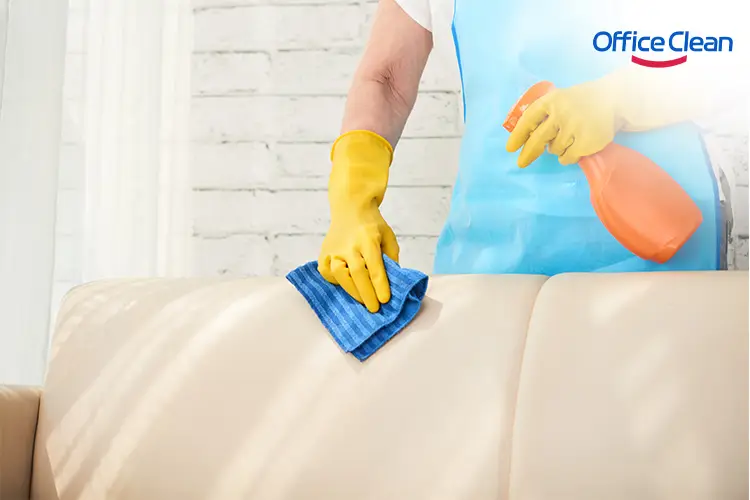
Daily, Weekly & Monthly Care
Breaking upholstery care into small routines helps you stay on top of it without feeling overwhelmed.
- Daily: Gently brush or shake out loose cushions to remove surface dust and crumbs. If you have pets, use a lint roller or upholstery-safe pet hair remover.
- Weekly: Vacuum all fabric surfaces with a brush attachment. Focus on creases, seams, and under cushions where debris tends to collect.
- Monthly: Rotate cushions to even out wear and tear. This helps maintain shape and prevents sagging or fading on one side.
If your furniture is placed near windows, consider UV-protective curtains or shades to prevent sun damage. Also, using slipcovers or armrest protectors can reduce direct contact with oils and sweat.
Preventing Wear & Tear
Every day use causes natural friction that slowly wears down upholstery fibers. But with small changes in how we interact with furniture, we can slow this process.
Avoid sitting on the arms or back of a sofa this causes unnecessary strain. Encourage children to avoid jumping or bouncing on cushions. If you have leather upholstery, moisturize it with an appropriate conditioner every 6 to 12 months to prevent cracking.
Using fabric protectors or stain guards, especially on new furniture, also helps. These products add an invisible layer that repels liquids and makes cleaning easier in case of spills.
How to Keep Upholstery Smelling Fresh
Odors in upholstery come from trapped food particles, sweat, smoke, pet oils, or moisture. If left unaddressed, these smells can become embedded deep within the padding.
One effective method is to sprinkle baking soda over the fabric, leave it for 15–20 minutes, and then vacuum it thoroughly. Baking soda neutralizes odors naturally and is safe for most fabrics.
You can also use fabric-safe enzymatic sprays designed to break down organic odor sources. Ensure good room ventilation, especially in humid climates, and regularly clean or replace cushion inserts if odors persist.
Choosing the Right Upholstery Cleaner
Choosing the right upholstery cleaner means understanding your fabric type, cleaning needs, and whether DIY or professional help is the better option.
Not all upholstery materials respond the same to cleaning agents. Some, like microfiber, are durable and moisture-resistant. Others, like linen or velvet, may shrink, discolor, or stiffen with the wrong solution. Before choosing a product or service, check the manufacturer’s tag for cleaning codes such as:
- W – Water-based cleaner safe
- S – Solvent-based cleaner only
- WS – Water or solvent-based cleaner
- X – Vacuum only; professional care recommended
Professional cleaners typically assess your fabric type and choose the safest method accordingly.
What Makes a Good Upholstery Cleaning Company?
A good upholstery cleaning company is certified, experienced, and transparent about its cleaning process and pricing.
Look for companies certified by bodies like the IICRC (Institute of Inspection, Cleaning and Restoration Certification) or NCCA (National Carpet Cleaners Association). These organizations ensure professionals are trained in handling delicate materials and follow safety protocols.
Reputable companies will:
- Offer a free fabric assessment or quote
- Explain their methods and drying times clearly
- Use eco-friendly or hypoallergenic products if needed
- Provide stain protection or deodorizing as optional add-ons
- Guarantee customer satisfaction with follow-up support
Online reviews, before-and-after photos, and word-of-mouth recommendations are helpful when making a choice. Be cautious of extremely low pricing; it often means corners are being cut.
Benefits of Upholstery Cleaning
Regular upholstery cleaning keeps your furniture looking fresh, improves indoor air quality, and helps extend its lifespan.
Clean upholstery makes a big difference in how a room feels. It looks better, smells cleaner, and feels more comfortable. But beyond that, it plays a major role in your home’s health and hygiene. Dust mites, bacteria, and allergens often settle deep into fabric. If left untouched, they can affect your breathing, especially if you have asthma or allergies.
Well-maintained furniture also lasts longer. Dirt and oils slowly wear down fabric fibers. Over time, this leads to discoloration, thinning, and even tearing. Cleaning helps slow this damage and protects your investment.
And let’s not forget about first impressions. Whether it’s guests in your home or customers in a waiting room, clean furniture shows care and attention to detail. It creates a positive, welcoming atmosphere.
DIY vs. Professional Upholstery Cleaning
Both DIY and professional cleaning have their place. The right choice depends on the condition of your furniture, your fabric type, and how much time you can invest.
1. Effectiveness & Cleaning Power
DIY Cleaning: Works well for light dirt or minor stains. Store-bought sprays, steamers, or homemade solutions can help with regular upkeep, especially if used weekly.
Professional Cleaning: Offers deeper, more thorough results. Experts use powerful equipment and fabric-specific products that reach areas you simply can’t with household tools. This is especially helpful for older stains, odors, or heavy soil buildup.
2. Skill & Expertise
DIY Cleaning: Most people can follow basic instructions. But there’s always a risk of using the wrong product or overwetting the fabric, which can cause damage or mold.
Professional Cleaning: Certified cleaners understand different fabric codes and know how to treat each one safely. They’re trained to spot potential issues like hidden mildew or color bleeding before they become serious problems.
3. Risk of Damage
DIY Cleaning Risks: Scrubbing too hard, using too much water, or applying strong chemicals can damage delicate fabrics. Once damaged, upholstery is costly to repair or replace.
Professional Cleaning Safety: Experts use controlled methods and spot test everything first. They’re trained to avoid shrinkage, color fading, or fabric weakening.
4. Convenience & Time Investment
DIY Cleaning: Takes time, and drying can be slow, especially if you’re using water-based methods. Plus, results may not always meet expectations.
Professional Cleaning: Quick and efficient. Most services can clean a standard-sized sofa within a couple of hours, with drying times as short as 2–6 hours, depending on the method used.
Conclusion: Clean Upholstery, Healthier Home
Upholstery cleaning is more than a cosmetic task; it’s an essential part of home hygiene and furniture care. Dust, allergens, and bacteria can live deep within your cushions, even when surfaces look clean. Left unchecked, they can affect your health, your furniture’s appearance, and its lifespan.
By understanding why upholstery gets dirty, learning about the right cleaning methods, and following a simple maintenance routine, you can protect both your furniture and your indoor air quality. Whether you choose DIY solutions or hire a professional service, regular care makes a noticeable difference.
Clean furniture helps create a fresh, inviting space for your family, your guests, or your customers. And when your environment feels better, so do you.
FAQs About Upholstery Cleaning
How Often Should Upholstery Be Cleaned?
Clean upholstery every 6 to 12 months to maintain fabric condition and indoor air quality. Households with pets, children, or high traffic should clean upholstery every 3 to 6 months. Regular vacuuming and spot cleaning help extend the time between professional cleanings.
Can you remove blood stains?
Remove blood stains by blotting with cold water, applying hydrogen peroxide or a baking soda paste, and rinsing thoroughly. Avoid hot water, as it sets the stain. For dried stains, soak the fabric in cold water before treating. Repeat as needed until the stain disappears.
Should I have my upholstery cleaned regularly?
Yes, clean upholstery regularly to remove allergens, bacteria, and dirt buildup. Regular cleaning every 6 to 12 months extends fabric life, improves air quality, and maintains appearance. High-use furniture or homes with pets and kids may need cleaning every 3 to 6 months.
Is Steam Cleaning Safe for All Fabrics?
Steam cleaning is not safe for all fabrics. Delicate materials like silk, velvet, or certain blends can shrink, discolor, or get damaged. Always check manufacturer labels before steam cleaning. For sensitive fabrics, use dry cleaning or professional low-moisture methods instead.
What Affects the Cost of Cleaning Services?
The cost of cleaning services depends on fabric type, stain severity, furniture size, and service location. Additional factors include frequency of cleaning, special treatments, and provider rates. Larger or delicate items and urgent requests typically increase the overall cost.
Are There Eco-Friendly Upholstery Cleaners?
Yes, eco-friendly upholstery cleaners are available and use plant-based, non-toxic ingredients. These products avoid harsh chemicals, reduce environmental impact, and are safe for children and pets. Look for certifications like EPA Safer Choice or Green Seal when choosing a cleaner.