
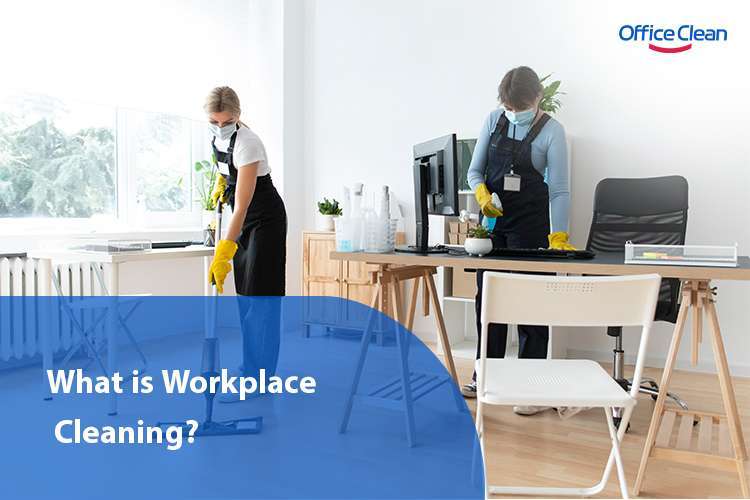
Germs are a part of our daily lives. We spend a considerable amount of time every day getting rid of it. It is important to keep your workspace free from any diseases and germs by cleaning, sanitizing, and disinfecting. This ensures the safety of your employees and clients.
In this case, we use two types of decontamination sanitizing and disinfecting. In general, cleaning is not any type of decontamination, however, it is essential to clean any surface before moving forward.
Cleaning helps remove any sort of dirt or grime, and decontamination involves eliminating germs, contagious diseases, and other dangerous substances from any surfaces.
In this article, you will learn about Cleaning, Sanitization, and Disinfection, along with all the steps involved
What is Workplace Cleaning?
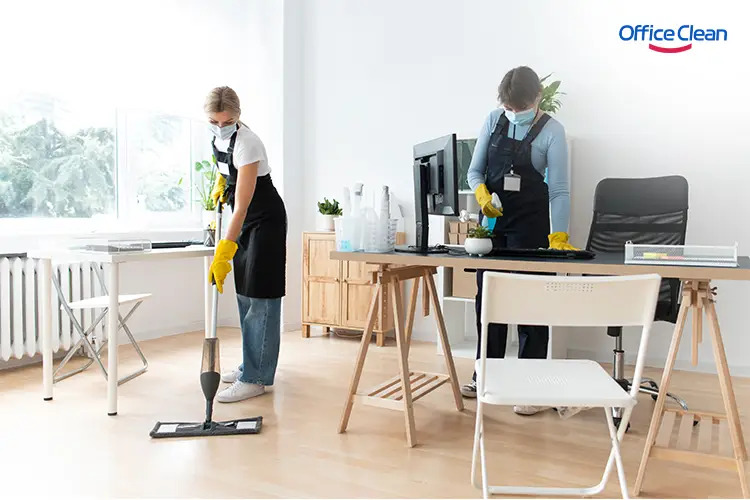
In general, cleaning removes unwanted particles visible to your eyes. This includes dirt, grime, dust, etc. Cleaning also removes a significant amount of germs from surfaces, however, it does not eliminate them.
Cleaning is usually done using soap, detergents, and special solvents. A microfiber cloth is recommended for cleaning. This is mainly because a microfiber cloth kills more germs compared to wool fabric, and it is also environmentally friendly.
Cleaning alone does not guarantee safety from germs and other diseases. It is the first step into decontamination, followed by sanitizing and disinfecting.
When is a Cleaning Service Necessary?
A useful rule of thumb is that surfaces that are touched frequently such as door knobs, light switches, and faucets should be regularly cleaned. This is done to avoid any possible contamination from employees or clients carrying viruses.
As mentioned before, cleaning refers to removing unwanted particles that are visible to the eyes. In that sense, if any surfaces seem to accumulate dust over time, it should be immediately cleaned.
Any room that has high traffic should be cleaned multiple times. For example, a washroom surface should be cleaned at least once every day. However, if your workspace has a washroom for customers, then it can be cleaned as many as 10 times.
For carpets and rugs, it is wise to vacuum them daily, and they should receive professional cleaning once a month or once a year.
What is Workplace Sanitization?
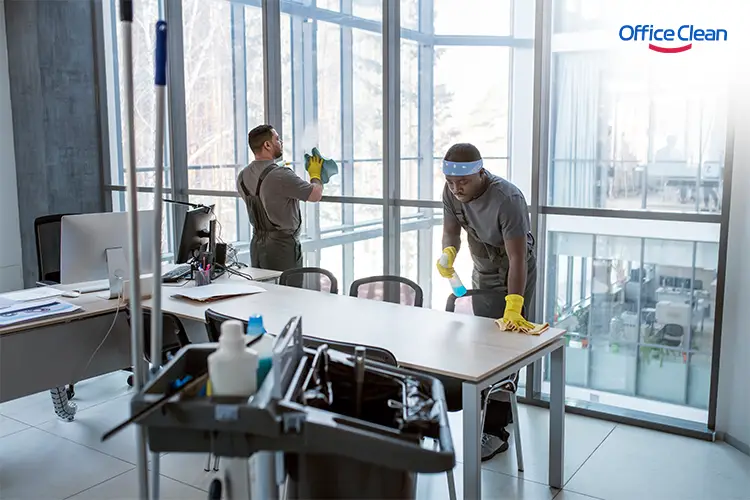
The process of reducing the number of bacteria to a safe level is known as sanitization. As per the CDC, a sanitizing solvent should eliminate 99.999% of bacteria within 30 seconds. Do remember it is important to clean a surface before sanitizing it.
Sanitization is often done with chlorine or solutions containing quaternary ammonia. The basic rule is to apply the sanitizer and let it sit for 30 seconds. This time should not be overlooked and it is important to reduce the bacteria to safe levels.
However, sanitizing has one minor flaw. It cannot remove fungal or viral growth. This means it can be used to reduce pathogens but cannot protect us from them.
When is Sanitizing Service Necessary?
Your workplace should receive sanitization regularly. It is mainly used to quickly address bacteria on frequently touched objects. However, it is important to remember that sanitizers are not supposed to affect or kill viruses. This is why you should not always rely on it.
For example, you can sanitize a TV remote 30 seconds before touching it. This will reduce the number of pathogens to a safe amount. Along with that, you can also sanitize surfaces that are not frequently touched, such as long-term storage areas.
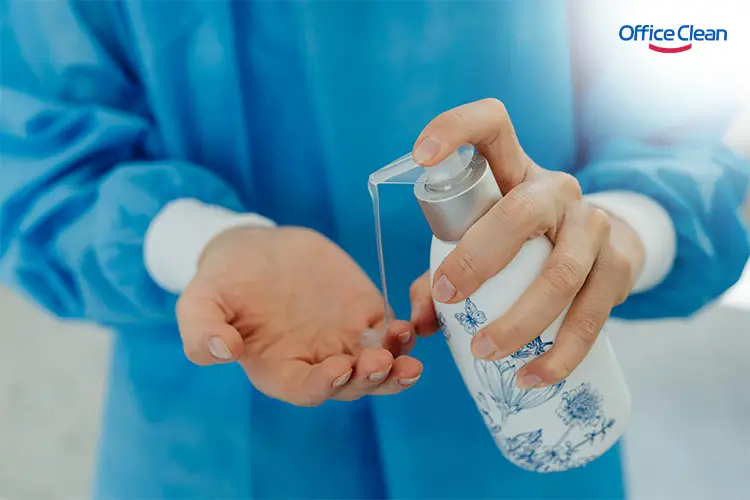
High touch areas in a workplace should be sanitized regularly. You can also use sanitizers on surfaces that cannot handle disinfectants. Hand sanitizers are a game-changer in keeping your workspace sanitized.
Do remember to clean a surface properly before sanitizing it. You cannot sanitize a surface that has dust particles on it. To achieve proper decontamination, you should sanitize a surface and then disinfect it.
What is Workplace Disinfecting?
According to the EPA, any disinfectants that are approved by them can kill 99.999% of pathogens. Disinfecting products are meant to kill a wide range of pathogens and diseases. Disinfecting can be done chemically using disinfectants or physically using heat.
Disinfectants are categorized into three different groups:
- Limited Disinfectants: These specialize in targeting a specific group of microorganisms. For example, a product can specialize in killing bacteria that cause staph infection, however, it will not work with salmonella.
- General Disinfectants: These products are also called broad-spectrum disinfectants. These are effective against major groups of bacteria. This is mainly used in offices and homes.
- Hospital Disinfectants: These are specialized to target almost every kind of pathogen. Mainly used in hospitals and other health care facilities.
When is Disinfecting Service Necessary?
Routine disinfection is essential to keep your workplace clean. This prevents the spread of infectious diseases. This is why surfaces that are touched frequently should be disinfected at least once a day.
Other than that, you can disinfect surfaces according to your needs; just make sure it is done regularly. It is wise to maintain a disinfecting routine, you do not need to disinfect surfaces constantly.
For a workplace, high-touch areas should still be disinfected regularly. This will help avoid contamination among the employees.
Why are Cleaning, Sanitizing, and Disinfecting Services Important?
To maintain a clean and safe workplace, you should have routine sanitization and disinfecting. This should be done after a thorough cleaning procedure. Disinfectants are monitored and regulated by EPA. One of the most reliable ways to reduce the spread of germs is by disinfecting hard and nonporous surfaces.
Keeping your workplace free from any diseases is key to a healthy workplace. It is important to protect your employees and clients. This will prevent loss in productivity, business, and reputation.
If one of your employees gets infected by a disease, they will miss shifts, resign, or leave a gap in your schedule. To prevent any potential disease outbreak, you must clean, sanitize, and disinfect the property. Or else if the outbreak is handled poorly, it can cause serious harm to the business’s reputation.
Having a routine cleaning procedure can drastically reduce the risk of diseases such as salmonella, influenza, staph infection, and many more. Along with that, it also creates a safe environment for you, your employees, and the customers.
How to Ensure Proper Cleaning, Sanitizing, and Disinfecting
Cleaning, sanitizing, and disinfecting are a must to maintain a safe and healthy environment. This is crucial because in workplaces, diseases can spread like wildfire. Always look for EPA-approved disinfectants, mainly the ones that are designed to kill a wide range of diseases.
The cleaning depends on the type of business and the workplace. Each business has different types of customers and employees. So the high touch area varies depending on the workplace.
Make sure that you are addressing the high touch areas properly. For example, if you have a restaurant, you need to disinfect the cutlery after every customer. On the other hand, if you have a corporate office, then it will require cleaning after each shift.
Do research on your workplace to identify all the possible high touch areas and make a list of them. This way you can check which areas need to be focused on. If you want a proper cleaning service, make sure that specialized equipment is used. Such as electrostatic sprayers and other industrial disinfecting gear, if you have a large workspace.
Workplace Cleaning Checklist
Maintaining a workplace cleaning checklist can help you identify places that are missed. Here is a checklist you can follow to ensure thorough cleaning, sanitizing, and disinfecting:
1. General Cleaning
Daily:
- Vacuum and sweep the floors followed by mopping with a cleaning solution.
- Clean high touch areas with soap and water.
Weekly:
- Deep clean floors.
- Clean windows and mirrors.
2. Sanitizing
Daily:
- Sanitize kitchen utensils, counters, and cutlery after use.
- Sanitize bathrooms, sinks, and faucets.
Weekly:
- Disinfect all the surfaces in break rooms and common areas.
3. Disinfecting
Daily:
- Disinfect bathroom toilets, showers, and floors
- Disinfect high-touch areas.
Weekly:
- Disinfect all the surfaces in the break room and the common areas.
4. Special Situations:
- After spills: Clean the area with soap and water. Then disinfect immediately if the spill involves any bodily fluids.
- After illness: Disinfect all the areas that a sick person came in contact with.
5. Maintenance:
- Regularly check whether the cleaning products are outdated or not.
- Ensure that the cleaning supplies are properly stored and labeled
6. Employee Hygiene:
- Encourage your employees to wash their hands.
- Provide hand sanitizers when soap and water are unavailable.
Tips for Cleaning, Sanitizing, and Disinfecting
By now, you have some good ideas about what you have to do for cleaning, sanitizing, and disinfecting. Here are some practical tips for you to have an efficient cleaning of your workplace:
General Tips
- Initial Cleaning: Always clean the surface with soap and water. This removes the dirt so that the sanitizer and disinfectants work effectively.
- Use Proper Equipment: Use a microfiber cloth and mops for cleaning as they are effective at removing dirt.
- Choose the Right Products: Use EPA-registered disinfectants and sanitizers.
- Follow Product Instructions: Always follow the manufacturer’s instructions for dilution ratios and contact times.
- Safety Precautions: Wear PPEs such as disposable gloves, when cleaning and disinfecting. If gloves are not available, make sure to wash your hands properly after cleaning.
- Hire Professionals: Office cleaning experts go through rigorous training in cleaning and maintain professionalism. Hiring them can benefit you and your workspace because they can clean places that might be difficult for you.
Specific Tips
- Sanitizing: Properly sanitize surfaces that come in contact with food or are frequently touched.
- Disinfecting: Disinfect high touch areas and surfaces contaminated with bodily fluids. Ensure that the disinfectant remains for the recommended amount of time.
- DIY Recipe: If you do not have sanitizing products on hand, mix 5 tablespoons of bleach per gallon of water.
- Hand Hygiene: Encourage your employees to wash their hands with soap and water for at least 20 seconds.
Additional Considerations
- Ventilation: After using strong cleaning products, make sure to ventilate the rooms properly.
- Cross-Contamination: Use a clean cloth for different rooms to prevent cross-contamination.
Product Selection: Try to use eco-friendly cleaning products that have a Green Seal or USDA Certified Biobased Products.
How Often Do You Need Sanitization and Disinfection
Your cleaning schedule depends on the size of your workplace. A small workplace with a few employees will need regular cleaning. Huge facilities with a lot of employees might need a professional cleaning team to make sure every high-touch area is disinfected regularly.
Inform your employees to sanitize any shared equipment after use if possible. A good rule of thumb is to clean your workspace at least once a day.
Here are some factors that affect the frequency of cleaning:
- Number of Employees and Visitors: A high number of visitors and employees of different shifts can bring in more dirt and dust.
- Industry: Certain industries, such as healthcare and food service, have to meet certain hygiene standards. This is why they might require frequent cleaning.
High Traffic Areas: Areas like restrooms and break rooms should be cleaned daily to meet hygiene standards.
FAQs
Can you disinfect without sanitization?
It is not a good practice to disinfect a surface without cleaning or sanitization. Both of these are done to reduce the number of germs to a safe level.
Disinfecting is focused more on killing a wide range of germs and viruses. This is why cleaning is necessary as it removes dirts that hamper the effectiveness of disinfectants.
Does disinfecting eliminate cold and flu germs?
Yes, some disinfectants are specifically designed to eliminate cold and flu germs. In general, most of disinfectants work as they kill a wide range of germs. However, it is wise to check the labels before purchasing.
Can you clean, disinfect, and sanitize at the same time?
Some products can disinfect or sanitize at the same time. However, cleaning must be done to make sure the dirt are removed. Because this can hamper the effectiveness of disinfectants. After cleaning, you can use products that can sanitize and disinfect simultaneously.