
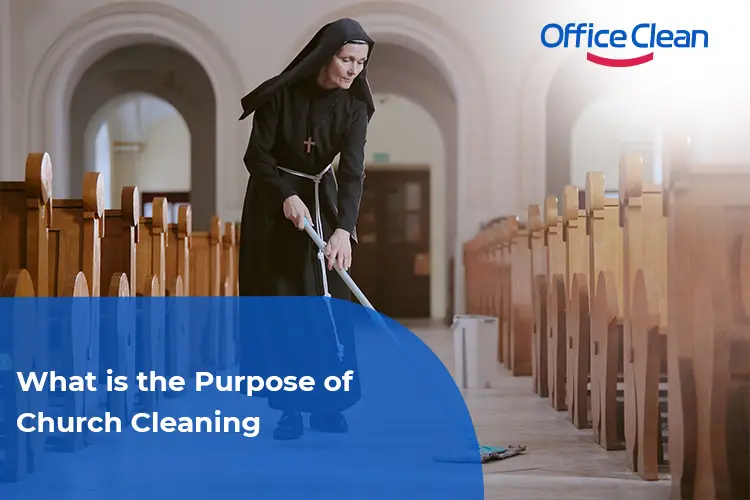
A church is not just a building, it’s a holy place where people come to pray, reflect, and connect with others. It’s used for some special events like weddings, baptisms, and Sunday masses, so it’s a very important part of society. church Cleaning
As there are so many visitors to the church each and every time, the church should be absolutely neat and clean. Dust, dirt and germs build up over time, especially in high-traffic areas like entrances, pews and hallways. The cleanliness of the church takes care of all the health and safety protocols, which creates a pleasant and welcoming environment.
Church cleaning isn’t only about looks. It has a holy aura and respect for what the building is being used for. Whatever the janitorial staff, commercial staff, or cleaning team does, regular cleaning services ensure that your church remains a place of worship for all who enter.
What Areas Need Regular Church Cleaning?
Churches vary in size, attendance, and number of services, but each has a unique layout and activity level that affects cleaning needs. Professional church cleaning services will generally visit the church building and come up with a service plan tailored for that location in terms of traffic patterns and use.
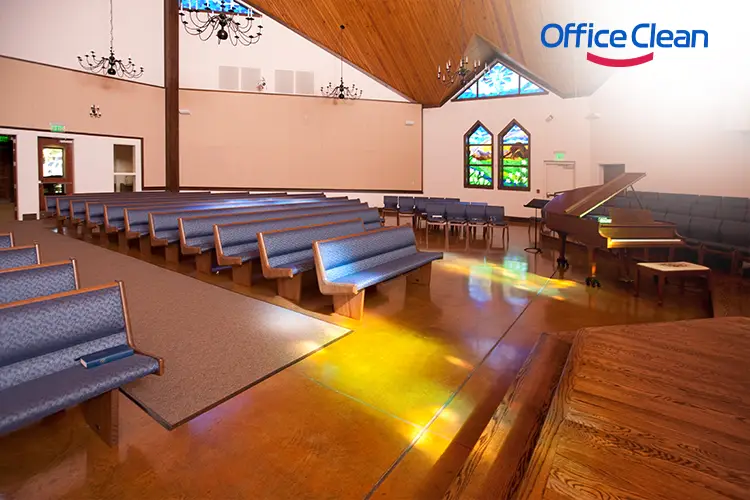
However, some high-touch, high-traffic areas are common across most churches and require special attention to ensure cleanliness, safety, and hygiene.
1. Entrance & Lobby
These are the first areas that people see when they enter the church. Dust, dirt, and debris accumulate here because they are walked through. Sweeping, mopping, and cleaning door handles, railings, and welcome mats are required on a regular basis.
2. Sanctuary
The worship center is the hub of church life. Pews, altars, pulpits and communion rails need to be regularly swept and disinfected to maintain a respectful, clean atmosphere.
3. Offices & Meeting Rooms
Classrooms at churches that operate a school or Sunday school must be cleaned as they would be at any school building. Dusting, disinfection, wiping down the desks, mopping floors, and cleaning whiteboards or electronic devices is all that’s needed.
4. Classrooms & Church Schools
Classrooms must be cleaned as any other school or type of educational facility for churches running a school or Sunday classes. Routine dusting, disinfecting desks, cleaning floors and wiping down whiteboards or electronic devices are all essential tasks.
5. Nursery & Preschool Areas
Children’s rooms need to be intensively and periodically sanitized. Cleaning furniture, play mats, toys and changing areas should be cleaned with non-toxic, child-safe cleaning products to protect younger congregation members.
6. Confession Booths
These enclosed spaces can become breeding grounds for germs if not regularly cleaned. Disinfecting seating, doors, and any surfaces that are touched frequently is important.
7. Kitchen & Fellowship Hall
All surfaces used to prepare or consume food must be cleaned properly. That would mean cleaning sinks, countertops, appliances and even dining tables to avoid transmitting bacteria and make safe food handling possible.
8. Bathrooms
Church bathrooms need to be cleaned every day, as with any other public facility. This would involve cleaning sinks, toilets, mirrors, floors, dispensers and door handles. A clean bathroom gives a great first impression.
9. Worship center cleaning
Worship center cleaning keeps churches and prayer spaces neat, safe, and welcoming. It ensures a respectful, healthy environment for all visitors.
10.
Church Cleaning and religious building cleaning Guidelines
Keeping a church clean is necessary for becoming a hygienic, respectful, hospitable, and welcoming environment for worshipers and visitors. These guidelines can be implemented regardless of the size of your church and keep all high-use areas clean and presentable at all times.
1. Identify the High-Traffic, Heavy Usage Areas
Start by identifying areas with the most congregational activity and foot traffic. These zones typically include:
- Entryways and foyers
- The primary sanctuary
- Fellowship and multi-purpose rooms
- Hallways and community spaces
2. Clean and Protect Church Pews
Pews are perhaps the most used pieces of furniture in a church and are often made of wood, upholstery, or a combination of the two. To keep them in good condition:
- Daily clean with a microfiber cloth to remove surface grime and allergens.
- Weekly polish using wood-safe furniture polish to keep them shiny and prevent them from drying out or cracking.
- Disinfect after every service, especially when there are several events held on the same day.
3. Don’t Forget the Carpets
Church carpeting is most popular in sanctuaries, Sunday school rooms and nurseries. They can collect dust, dirt, and even germs over time. Regular upkeep involves:
- Vacuum daily to remove surface dirt, dust mites and allergens.
- Spot cleaning for spills and stains to prevent permanent damage.
- Deep professional cleaning every 6 months to remove embedded dirt and revive the carpet’s color and texture.
4. Maintain Clean and Odour-Free Restrooms
Restrooms are the most used and most criticized rooms in any building including churches. A clean restroom shows that your church values hygiene and hospitality.
Daily must-dos include:
- Washing and disinfecting walls, doors, sinks, urinals and toilets
- Cleaning sanitary disposal bins, towel dispensers and baby changing stations
- Regularly replenish toilet paper, soap, and paper towels
- Disinfecting and emptying rubbish bins to avoid smells and germs.
5. Bonus Tips for Maintaining a Clean Church
The following are some simple yet effective tips for maintaining a tidy church environment.
- Create a cleaning schedule for daily, weekly, and monthly cleaning.
- Utilize color-coded clothes to avoid cross-contamination of restrooms and public places..
- Conduct deep cleans during off-peak times or between high-level services.
- Encourage congregation awareness by offering bins in highly visible areas and reminding posters to help keep common areas clean.
- Consider partnering with professional cleaners for thorough, ongoing care.
If you’re worried about using the wrong cleaning products on the delicate pews, you can hire professional church cleaning services. From cleaning with appropriate methods and disinfectants that sanitize without ruining wood finishes or fabrics.
Special Considerations for Church Cleaning
Handling Religious Items with Care. Altars, crucifixes, Bibles, candles, and chalices are some items that need to be handled respectfully. Cleaners must be instructed to avoid disruption or damage to sacred objects during regular cleaning.
Eco-Friendly Cleaning in Worship Spaces
Since churches are likely to have children, the elderly, and persons with sensitivities, the use of non-toxic and eco-friendly cleaning products is highly recommended. Not only are these cleaners safer for individuals, but they are also easier on sensitive surfaces.
Quiet Cleaning During Prayer Times
If cleaning must be done while people are praying or during services, cleaners should work discreetly and avoid loud equipment to maintain a peaceful environment.
Hiring Professional Church Cleaners vs. In-House Teams
Many churches rely on volunteer teams for basic upkeep, but professional cleaning services bring specialized skills and tools that go beyond surface cleaning.
Benefits of Hiring Professional Church Cleaners:
- Trained to wash sensitive and historic surfaces
- Equipped with commercial-grade equipment and green products
- Consistent results with regular maintenance
- Time-saving and reliable, especially for big churches or peak events.
A clean worship place is just one of the many reasons your congregation keeps coming back. It’s a reflection of the care and respect that you have for your community and the sacredness of the space that you share.
By implementing these tips and using professional cleaning services, you are not only maintaining a building but also creating a safe, welcoming environment for a spiritual connection and peace. A clean church leaves a lasting impression, making people feel valued and inspired every time they visit.
In conclusion, consistent and comprehensive church cleaning plays a vital role in creating a welcoming, hygienic, and spiritually enriching environment. It enhances the worship experience, creates trust in the community, and shows great respect for the sacredness of the space. This is because a clean church promotes regular attendance and leaves a good impression on visitors. By making cleanliness a priority, churches can better support their mission and provide a safe, peaceful haven for all who gather there.