
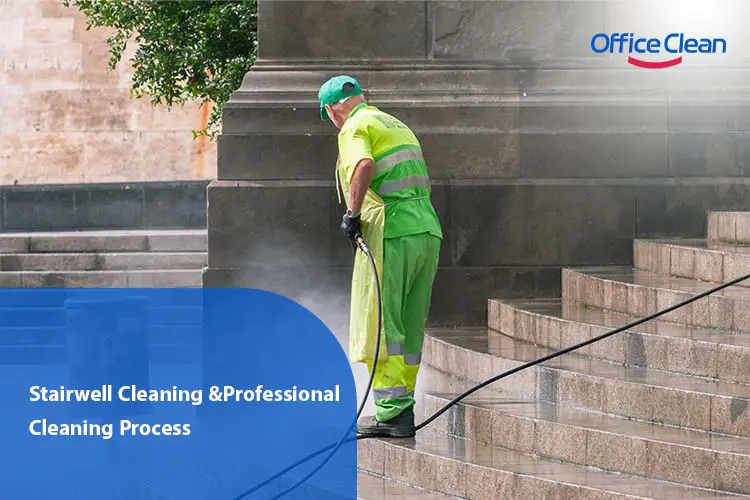
Stairs are an integral component of structures, enabling passage from floor to floor and top to bottom. This applies to all types of flooring, whether it be textile, resilient or stone. Whether it is a residential unit or an office complex, the part of the stairway that needs to be cleaned the most is the handrail because that is the area that is the hotspot of germs and bacteria.
The following part covers the various forms of stairs and the proper cleaning solutions for those styles of stairs. In high-traffic areas such as residential buildings, hotels, and shopping centers, regular cleaning and disinfection of handrails are essential to prevent the spread of germs. If you are using the stairs often, then the stairs should be cleaned periodically.
Cleaning your stairs, regardless if you have them carpeted or a hardwood surface, can help enhance their appearance and also prevent wear and tear. Regular cleaning also improves indoor air quality, and extends the life and appearance of furniture and flooring; thus reducing costly replacements or refinishing.
What is Stairwell Cleaning?
Stairwells cleaning are used as a method to effectively clean staircases to remain safe, sanitary, and aesthetically pleasing. Because they are high-traffic spaces and tend to accumulate dust, dirt and grime quickly, stairways must be regularly cleaned, both for hygiene and safety. Dirty stairwells reduce the whole look of the building and can also cause a slipping hazard because of debris buildup.
A proper stairwell cleaning routine includes sweeping or vacuuming steps, mopping or steam-cleaning surfaces, and disinfecting handrails, which are common hotspots for germs and bacteria. In commercial and residential buildings, where hundreds of people use staircases daily, regular disinfection helps prevent the spread of illnesses.
In addition to appearance, the preservation of flooring materials, be they carpet, wood or stone through stairwell maintenance extends the life of flooring surfaces, reducing long-term floor repair costs. Having clean stairways creates a more favorable internal environment while giving all locations a fresh and attractive appearance.
Essential Steps in Stairwell Cleaning (Step-by-Step Process)
Info
Stairwells are high-traffic areas where dirt, dust, and bacteria can accumulate quickly. This not only leaves the area looking dirty but can create safety hazards if debris builds up on steps leading to the area. Maintaining your stairwells looking new and welcoming requires regular cleaning. These seven steps can help you keep your stairs shining & sparkling clean, helping your home or office look great!
Step 1: Pre-Cleaning Safety Measures.
Before cleaning the stairwell, it’s important to make sure the area is safe. Make sure to have the right cleaning tools and products, such as a broom or mop, and be sure to read the labels and follow the instructions. Wear gloves and non-slip shoes to protect yourself from chemicals and slipping on wet floors. For example, while using a strong cleaner, open a window, get outside air in and always have a first aid kit on standby for emergencies.
Step 2: Dusting & Removing Loose Dirt.
The next step to maintaining a clean and safe stairwell is to dust and remove loose debris from the stairs. Dust handrails, balusters and steps with a microfiber cloth or duster. After sweeping or vacuuming the outside stairs and landings with a brush attachment the outside stairs can be washed. Removing loose dirt will prepare the whole stairwell for further cleaning, creating a fresh environment for everyone.
Step 3: Cleaning Different Stairwell Surfaces
Cleaning different stairwell surfaces requires a careful approach based on the material of your stairs. Carpeted stairs should be vacuumed first to get the dirt and dust out of the carpet fibers. If tough stains remain, use a carpet cleaner, and don’t forget to vacuum along the edges, where dirt can easily gather. For example, use a mild cleaner like dish soap and water on stone. The proper way to clean stairs is their material regularly and cleaning the stairs with their coating makes them look new and durable.
Step 4: Disinfecting High-Touch Areas
Cleaning a stairwell involves a good number of steps and disinfecting high-touch areas in particular is a must to control germs and bacteria from being spread. Start with a disinfectant cleaner suitable for the surface, whether wood, metal, or plastic. For example, a disinfectant wipe for handrails and a spray cleaner for door handles.
Step 5: Wet Cleaning & Mopping the Stairs
The wet cleaning and mopping of stairs determine what material your stairs are. Based on those a cleaner selects the cleaning method, such as a pH-neutral cleaner for tile or stone flooring. While mopping, begin at the top of the stairs, working downward, and use as little water as possible on wooden steps to avoid any warping of wood. After mopping, rinse the mop in clean water and use it to wipe over the stairs again to remove the remaining cleaner.
Step 6: Cleaning Stair Landings & Corners
The main part of cleaning your stairwell is cleaning the stair landings & corners. They can fill with dust, dirt, and debris, and make your space look a bit untidy. Ensure that you are cleaning the edges and corners where dust tends to accumulate, and start by using a vacuum or a broom. Cleaning these areas regularly gives your stairwell a polished, welcoming look that is free from dust and allergens.
Step 7: Addressing Stair Nosing & Risers
Finally, clean the stair nosing and risers, the front edges and the vertical parts of each step. Those nooks and crannies often accumulate dust and dirt, so they should receive some attention. Use a damp cloth or sponge to wipe down the nosing and risers, and be sure to clean along the edges. Cleaning these areas will create a neat, tidy appearance. It also prevents dirt from accumulating in hard-to-reach places.
Step 8 : Cleaning stairs and elevated surfaces
Stairs, railings, and elevated walkways collect dust and germs quickly. Wipe and disinfect these high-touch areas regularly to prevent slips, keep air clear, and ensure safe movement for everyone.
Alpha Stairwell Cleaning Process Step by Step – Silverwater, Wetherill Park, Parramatta, Auburn
Final Inspection and Handover – A last check confirms stairwells in Silverwater, Wetherill Park, Parramatta, and Auburn are spotless, dry, and safe.
Initial Inspection – Our team inspects stairwells in Silverwater, Wetherill Park, Parramatta, and Auburn to identify dirt, stains, and safety risks.
Safety Preparation – Warning signs are placed, and equipment is set up to keep the cleaning process safe.
Cobweb and Dust Removal – Corners, ceilings, and light fittings are cleared of cobwebs and dust.
Dry Cleaning – Stairs and landings are swept or vacuumed to remove loose debris and rubbish.
Wet Cleaning and Mopping – Floors are mopped with non-slip solutions for a fresh, safe finish.
Handrail and Touchpoint Sanitization – Railings, switches, and handles are disinfected to stop germ spread.
Spot and Stain Treatment – Gum, spills, and stubborn stains are treated with effective cleaning products.
Disinfection of High-Traffic Areas – Extra care is given to busy stairwells in high-use buildings across these suburbs.
Odor Control (if required) – Eco-friendly deodorizing ensures stairwells smell clean and fresh.
Why is Professional Stairwell Cleaning Important?
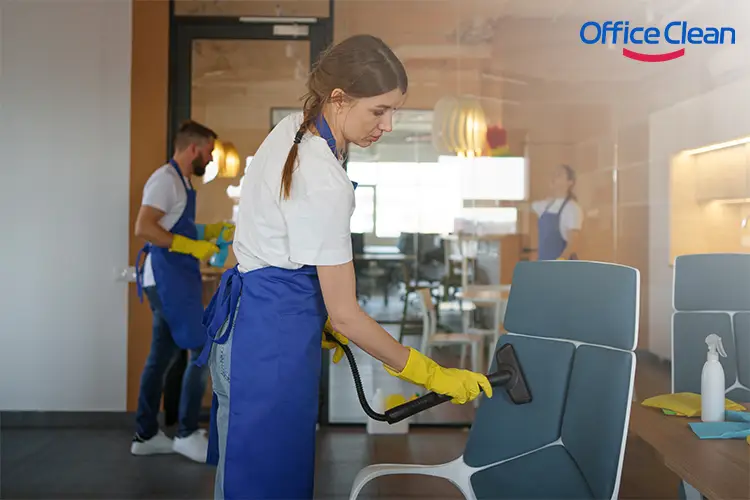
Cleaning your building’s stairwell ensures safety and aesthetics, making professional stairwell cleaning a must. Staircases are high-traffic areas that trap dust, dirt, and debris, which can lead to significant wear and tear over the years. Routine professional cleaning will also protect these areas and reduce slip, trip, and fall hazards, which is essential to busy areas such as office spaces, hotels, and apartment buildings.
Clean stairwells also leave a lasting first impression on anyone who visits the building, tenants, or customers. Well-kept, clean stairs reflect a good image of the building and its management. According to a survey, 70% of people will avoid staying at a hotel with dirty staircases, which is why cleanliness is very important when it comes to customer satisfaction.
It can also extend the lifespan of your stairs by preventing the accumulation of harmful agents, like dirt, that can damage the materials. It will help you lower long-term maintenance costs by preventing expensive repairs. In conclusion, prioritizing regular professional stairwell cleaning not only enhances property value but also creates a safe, clean, and inviting atmosphere for everyone.
Specialized Cleaning Techniques for Different Materials
The stainless steel parts of the staircase cleaning should be maintained to ensure cleanliness. For example, various cleaning methods can be employed based on the type of material to maintain their quality without causing damage. Any flooring inevitably gets marked by dirt and heavy foot traffic. The proper cleaning method, based on the type of surface, will protect your floors and make them last as long as possible.
Cleaning Carpeted Stairs
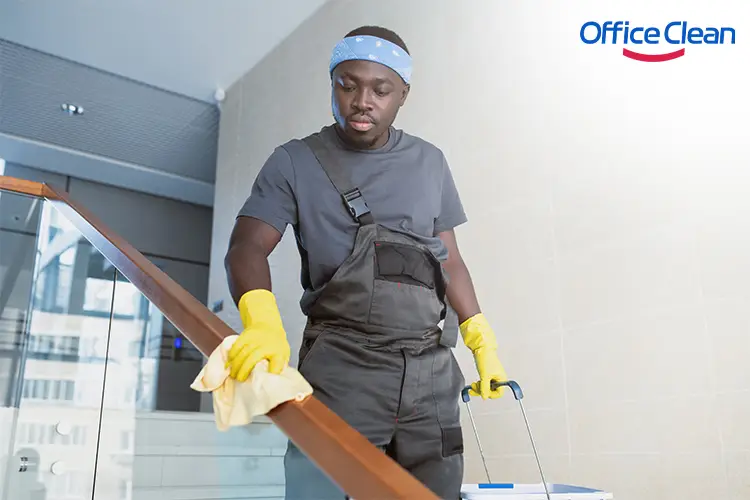
Cleaning carpeted stairs requires special care to avoid damaging the fabric while ensuring thorough cleanliness. Here’s a guide on cleaning carpeted stairs efficiently:
Vacuum Often: Remove dirt and dust trapped in the carpet fibers with a vacuum with a hose
Clean Stains: Use carpet cleaner on stains, and blot with a cloth to lift dirt, don’t rub.
Deep Clean: Rent a carpet cleaner or hire a professional cleaner to deep clean your carpet every 6-12 months.
Cleaning Wooden Stairs
Easier on wood stairs because nothing hurts wood stairs like metal, and wood stairs need a gentle hand so they do not get scratched or damaged. Here’s how to care for them:
Sweeping: Remove dirt and dust with a soft-bristle broom.
Mop with a Damp Cloth: Clean using a wood-safe cleaner and a slightly damp cloth.
Fix Scratches: For minor scratches, use a wood marker or wax crayon.
Cleaning Concrete or Tile Stairs
Concrete and tile stairs can be long-lasting, but they require frequent maintenance to keep them from staining and accumulating grime. Follow these steps:
Use a Suitable Cleaner: It is better to use a surfactant detergent pH or mild detergent to avoid scratches on the surface.
Sweep or Vacuum: Sweep or vacuum to remove dust and debris regularly to avoid scratching.
Avoid Abrasive Tools: Avoid abrasive scrubbers that can scratch the surface of tiles or concrete.
Apply a Sealant: After cleaning make sure to seal the surface to prevent staining, dirt, or water damage keeping them looking great for longer.
Cleaning Metal Railings & Balustrades
Metal railings and balustrades should be cleaned regularly to avoid rusting and maintain that shine. Here’s how to clean them:
Dust Regularly: Wipe down with a microfiber cloth to get the surface free from dust.
Dry the Surface: Wipe down the metal with a dry cloth to prevent the appearance of water spots or rust.
Clean with Soap and Water: Combine mild dish soap with warm water, and use a soft cloth to clean the railing.
Remove Rust: Small patches of rust can be soaked in a vinegar solution.
Polish: Apply a metal polish to restore shine and protect the surface from future tarnishing.
Common Stairwell Cleaning Challenges & How to Solve Them
Image
Stairwells are high-use areas in any structure, susceptible to dirt, dust, and grime, as well as stains from footprints and other elements. Cleaning a stairwell is not a one-size-fits-all approach, as each type of surface requires regular maintenance. Here are a few frequent cleaning obstacles with great solutions:
1. Dirt, Dust, and Debris Accumulation
Challenge: Stairs are walked on often so that refuse, dirt, and dust accumulate on them, particularly in open spaces like commercial buildings and apartments.
Solution:
- Sweep and mop as needed, depending on the foot traffic.
- Use quality microfiber mops that effectively trap dust.
- Place floor mats at entry points to reduce dirt tracking.
2. Water Stains on Wood Stairs
Challenge: These are Water spillage stains on wooden stairs cause them to appear old and damaged.
Solution:
- Combine vinegar and olive oil. Rub all over light stains to lift them.
- Use a sealant so the wood does not get damaged by water.
- For deep stains, lightly scrub with fine steel wool and refinish if necessary.
3. Sticky Residue on Stairs
Challenge: Stairs can have sticky messes from spilled drinks, tape or adhesives, attracting dirt and making them soiled and difficult to maintain.
Solution:
- For minor sticky spots, wipe them away with warm, soapy water or a vinegar-water solution.
- Spills and stains without using harsh chemicals that can harm the surfaces of stairs.
- Stairs should be periodically cleaned to eliminate sticky buildup.
4. Slippery Stairs
Challenge: Wet floors, dust or smooth surfaces can make stairs slippery, increasing the risk of falls.
Solution:
- Clean up spills at once, to keep stairs dry.
- Mop and sweep often to combat dust and dirt buildup.
- Improve lighting to help people see early.
5. Hidden Dirt in Corners
Challenge: In the tight corners of the drawers, use a small broom or a vacuum with a nozzle.
Solution:
- Use a small broom or vacuum with a nozzle to reach tight corners.
- Wipe the corners with a damp cloth or microfiber duster to capture dust.
- Look for hidden grime beneath railings and steps.
How Often Should Stairwells Be Cleaned?
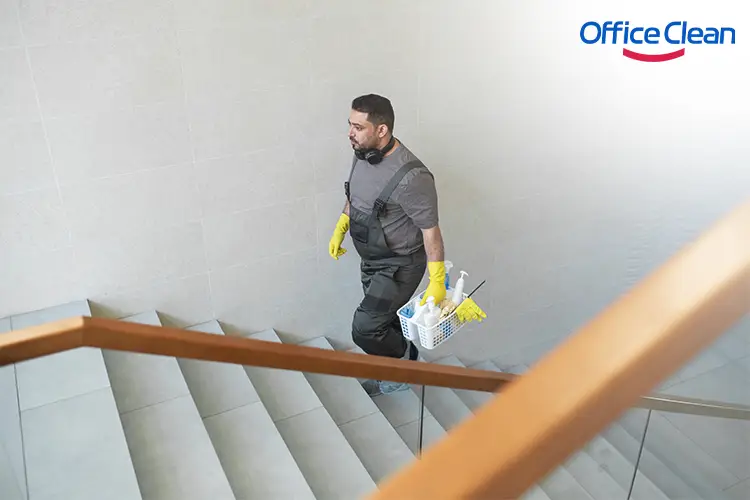
The frequency with which a stairwell needs to be cleaned depends on its foot traffic, type of building and hygiene standards. The stairwell is a high-traffic area, whether it’s a commercial stone staircase or the staircase in your residence; therefore, the dust, dirt, and debris in these areas can accumulate on very short notice. As a general rule:
High-Traffic Areas: This includes office buildings, shopping centers, hospitals etc. They need to be cleaned daily or several times a week to maintain cleanliness and safety.
Mild traffic Areas: Apartment complexes, hotels, and schools belong to this category. They require cleaning no less than once or twice per week to prevent the buildup of mud and maintain a good environment.
Low-Traffic Areas: Warehouses and industrial sites can be examples. Weekly or biweekly cleaning, depending on use and industry regulations, should be enough in this case.
This guide will provide you with the knowledge you need to start using green cleaning practices for your business. Businesses can adopt eco-friendly stairwell cleaning methods by:
- Use biodegradable, non-toxic cleaning solutions that are environmentally friendly.
- Using microfiber mops and cloths to reduce the amount of water and chemicals
- Use Green Cleaners That Comply With Australian Standards Adopt low-water cleaning techniques, such as steam cleaning so that you can remove all of the debris without using a lot of water.
- Businesses and property managers need to implement a regular stairwell cleaning routine in conjunction with following safety protocols and green initiatives so that employees, customers and residents can benefit from a cleaner, safer and greener place to work and live.
DIY vs. Professional Stairwell Cleaning – Which is Better?
Cleaning a stairway can mean deciding whether to do it by yourself or hand the task to professional cleaners for many businesses and property managers. Both options have their advantages and disadvantages, and the best option is dependent on factors including budget, building size, and cleanliness standards
DIY Stairwell Cleaning
Pros:
Cost-Effective: By cleaning everything yourself, you are eliminating labor costs, which can be a huge factor when hiring a professional cleaning service..
Flexible Scheduling: You can clean at convenient times without having to wait on an external service provider.
Control Over Products: You can decide between eco-friendly or favored cleaning solutions.
Cons:
Time-Consuming: Stairwell cleaning is an exhaustive process, which can take time away from other business activities
Limited Equipment & Expertise: Standard cleaning supplies may not be effective for deep cleaning or removing stubborn stains.
Inconsistent Results: Own DIY cleaning without any professional training may fail to meet hygiene and safety standards.
Professional Stairwell Cleaning
Pros:
Expertise & Efficiency: Professionals trained on the right equipment and technique help with deep cleaning
Time-Saving: By outsourcing, businesses can focus on their business and still have a clean environment.
Eco-Friendly & Specialized Cleaning: Many professional services utilize eco-friendly products and advanced techniques such as steam cleaning.
Cons:
Higher Cost: Working with specialists comes with a service charge that may be unappealing to budget-conscious companies.
Which Option is Better?
For small businesses or low-traffic stairwells, a do-it-yourself approach may work fine if applied consistently. Yet, in the case of high-traffic buildings or commercial spaces, as well as strata properties, a professional cleaning service is the best option as it guarantees thorough cleaning, adherence to safety compliance, and long-term maintenance.
Ultimately, the decision is yours based on budget, availability for cleaning, and the degree of cleanliness you require. Routine DIY maintenance combined with occasional professional deep cleaning may be the best approach.
Choosing the Best Professional Stairwell Cleaning Services
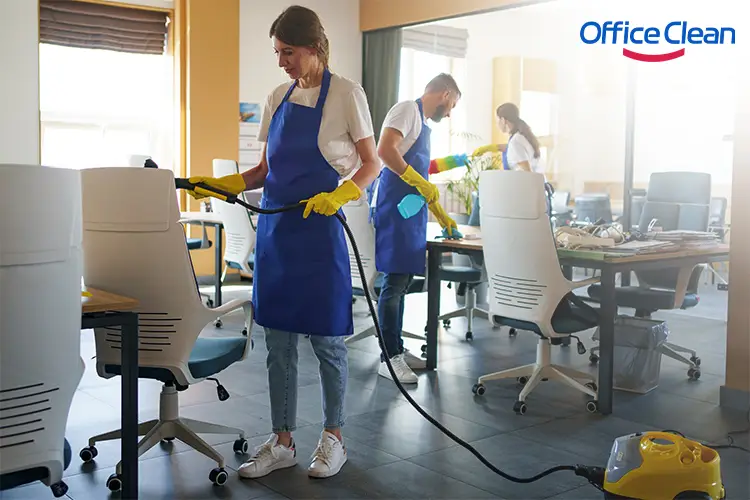
Stair cleaning for your home can sometimes be flexible or demanding with commercial cleaning companies, it can be professional as well. One of the things that touches clients or investors is that when you have a clean stairwell, it gives a good impression of your place.
Office stairwells have dirt that can quickly build up if the staircases themselves aren’t maintained to a normal standard, and the dirt on them will only become thicker until it requires calling for professional intervention. In extreme cases, dirt can accumulate in the corners of stairwells so much so that specially designed tools and techniques are required to return them to cleanliness.
Some of the things to look for in a cleaning service include their reputation and history and the types of services they offer. Ensure that they are insured and that they can clean your stairs and the surrounding areas according to the type of material (carpet, wood, or tile ). Ask whether they’ll accommodate your cleaning schedule and if they have eco-friendly cleaning solutions for a safe environment and health.
An excellent professional cleaning service for your stairwells will keep your space clean, safe, and welcoming. Once you invest in quality cleaning services, you no longer have to worry about providing services for degrading conditions or tough-to-clean areas. With the right team behind you, your stairwells provide a positive first impression and a safe and hygienic thoroughfare for stairway users.
Conclusion
A clean and hygienic stairwell is essential for the safety, aesthetics, and overall integrity of the structure and will discipline residents to keep it clean and tidy. Stairwells, whether during routine DIY or professional cleaning services, are necessary for consistent upkeep, preventing dirt from taking over, and slip hazards, and keeping the quality of the flooring material intact.
Professional cleaning is extremely beneficial for high-traffic buildings as it ensures deep disinfection and continual upkeep; smaller properties, on the other hand, can get away with regular in-house maintenance routines.
With a plan and the right techniques, including environmentally friendly methods, businesses and property managers can improve safety, cleanliness and friendliness in the workplace.
FAQ’s
1. What’s actually included in a stairwell cleaning?
A proper stairwell clean usually covers sweeping or vacuuming the steps, mopping, wiping handrails, removing cobwebs, and cleaning walls or skirting. It’s all about keeping the space looking neat and hygienic from top to bottom.
2. How often should our stairwell be cleaned?
That really depends on how much foot traffic you get. Busy stairwells in apartments or offices should be cleaned a few times a week, while quieter areas can do fine with a weekly clean.
3. Why is cleaning the stairwell so important?
Because it’s one of the most used (and often overlooked) parts of a building. Regular cleaning keeps it safe, free from dust or spills, and makes a much better impression on anyone walking through.
4. Do you use safe or eco-friendly cleaning products?
Yes! We care about both your health and the environment, so we prefer using eco-friendly, non-toxic cleaning solutions that still do a great job.
5. Can regular stairwell cleaning help prevent slips and falls?
Definitely. Dirt, dust, or moisture can make stairs slippery. Regular cleaning helps keep them safe for everyone using the space.
6. How long does it usually take to clean a stairwell?
It depends on how many levels there are and how dirty it is, but generally, a stairwell takes about 30 minutes to an hour for a thorough clean.
7. Do you clean both residential and commercial stairwells?
Yes, we handle both! Whether it’s an apartment block, an office building, or a school, we’ve got the equipment and experience to get it spotless.
8. What kind of tools do you use for stairwell cleaning?
We use professional vacuums, microfiber mops, long-reach dusters, and eco-safe cleaning products to make sure every corner — even the tricky ones — gets cleaned properly.
9. Can you clean after hours or on weekends?
Of course! We know you don’t want cleaning to interrupt your day, so we can schedule our services early in the morning, in the evening, or on weekends — whatever suits you best.
10. How do I book a stairwell cleaning with you?
It’s super easy — just get in touch with us and we’ll organize a time that works for you. We’ll take a quick look at your space and give you a free quote before getting started.