
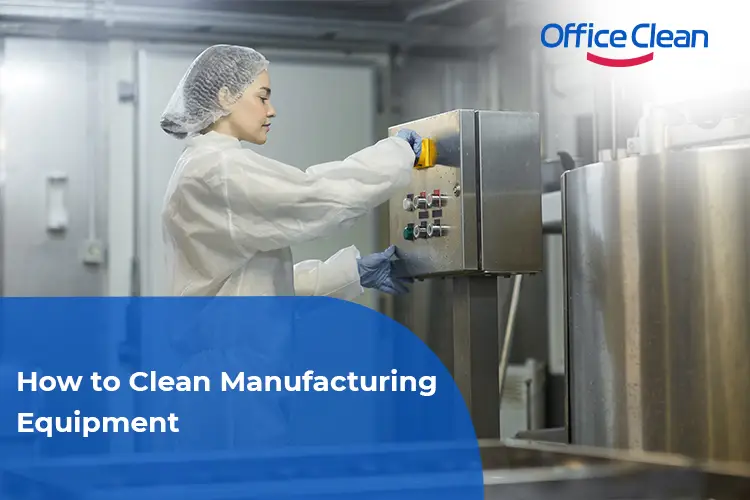
Manufacturing equipment requires cleaning to ensure product quality, minimize equipment downtime, and comply with hygiene and safety standards. For Food processing equipment, pharmaceutical equipment, or heavy machinery, routine cleaning avoids contamination, minimizes wear and tear, and prolongs the lifespan of machines. Neglected equipment has serious implications for workers and production processes, states Safe Work.
In this guide, you’ll learn how to clean manufacturing equipment the way it’s done in industry-accepted methods, Industrial machinery cleaning solutions, and safety protocols, so you can maintain operating efficiency, guarantee regulatory compliance, and avoid costly breakdowns.
Step-by-Step Guide to Cleaning Manufacturing Equipment washing
Cleaning Manufacturing Equipment does not have to be a Headache Just read these simple tips and ensure your machines remain clean, safe and in perfect condition. Let’s begin!
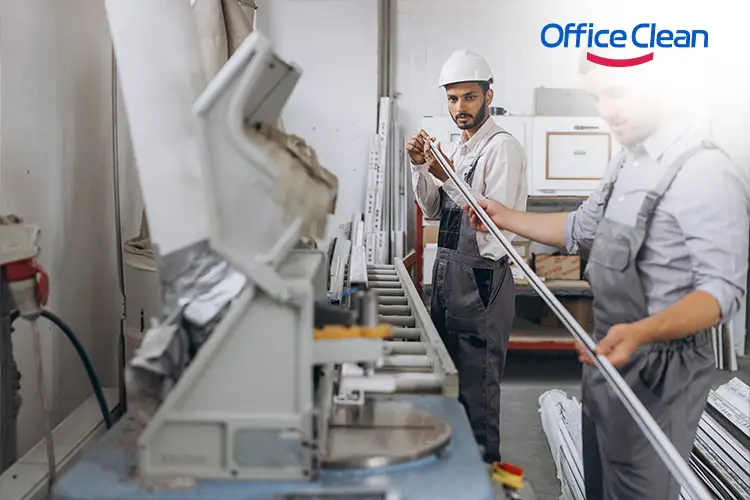
1. Prep Like a Pro
Before Cleaning, Take Everything You Need:
- Switch Off: Turn off and unplug the machinery to be safe and sound
- Prepare Supplies: Have your scrubbers, paint strips, rags, chemicals, and personal protective equipment like gloves and goggles.
- Check the Manual: Look over the guidance from the manufacturer. On Others, special care is needed.
2. Clear the Loose Stuff
Take away the easy dirt and dust first:
- Clean loose dirt using a stiff brush, compressed air, or a vacuum cleaner.
- Wipe surfaces with a dry cloth before using any cleaning product.
3. Dry Cleaning First
Dry clean before wet cleaning:
- It pays to have scrapers or brushes to scrape off dried-up gunk.
- Compressed air is your ally when blowing out dust and debris from cramped spots.
4. Wet Cleaning for the Win
Clean up with a deep clean:
- Apply the correct cleaner that is safe for your machine, such as food-safe cleaners for food equipment.
- Place the cleaner on a spray bottle foam applicator or cloth.
- Use soft scrubbing brushes or sponges, but don’t use anything too abrasive that would scratch the machine.
- Make sure there is no cleaning solution left and rinse well.
5. Scrub Away the Grime
Now it’s time to do the hard things:
- Apply soft bristles where pieces are delicate and hard bristles for gritty dirt.
- Use microfiber cloths to clean without scratching surfaces.
- Use correct scrubbing tools to emulsify any tough stains.
6. Pick the Perfect Cleaner
Not all cleaners are the same choose the appropriate one for your appliance:
- Degreasers for greasy or oily parts.
- Soaps are gentle for sensitive surfaces.
- Disinfectants for food or medical devices.
- Employs Tough Solvents for heavy-duty commercial cleaning.
Deep Cleaning of Processing Equipment
Common Cleaning Mistakes to Avoid
Cleaning manufacturing equipment is key to keeping things running smoothly and safely. But making mistakes during cleaning can lead to expensive repairs or even safety issues. Here are some common cleaning mistakes to avoid, so you can keep your machines in great shape and avoid costly problems.

1. Using the Wrong Cleaning Products
- Not all cleaners are created equal. The wrong one can ruin your equipment:
- Powerful solvents can eat away at delicate components.
- Metal machines may rust when using water-based cleaners.
- Read the label: Use cleaners that are safe for your particular gear.
2. Skipping the Manual
Every machine is unique, and the manufacturer knows what’s best:
- Don’t guess: Take a few minutes to read the manual.
- Follow instructions: Some machines require particular care or only certain cleaning products.
- Save yourself the trouble: Following the manual keeps your equipment running smoothly and avoids costly repairs.
3. Not Drying Equipment Properly
A big no is leaving your equipment wet:
- Moisture causes rust: This destroys metal components over time.
- Water and electronics do not mix: It can short-circuit sensitive elements.
- Dry it well: After cleaning, use air blowers or dry cloths to dry out all moisture.
4. Ignoring Safety
Cleaning can be hazardous if you’re not cautious:
- Use protective clothing: Gloves, goggles and masks protect you from chemicals and debris.
- Follow safety guidelines: Unplug equipment before getting it clean and don’t take shortcuts.
- Stay alert: Accidents happen when you rush, take your time and clean safely.
How to clean manufacturing equipment professionally?
Cleaning manufacturing equipment is crucial to operational efficiency, safety, and product quality. Based on the access level needed, you can go for DIY or professional services. For minor cleaning, scrub surfaces with brushes, sponges, and non-abrasive cleaners. Power washing addresses heavier debris; solvent-based cleansers break down oil and grease. If the equipment is for food or pharmaceutical production, use food-safe sanitizers. Always follow manufacturer instructions to avoid damage.
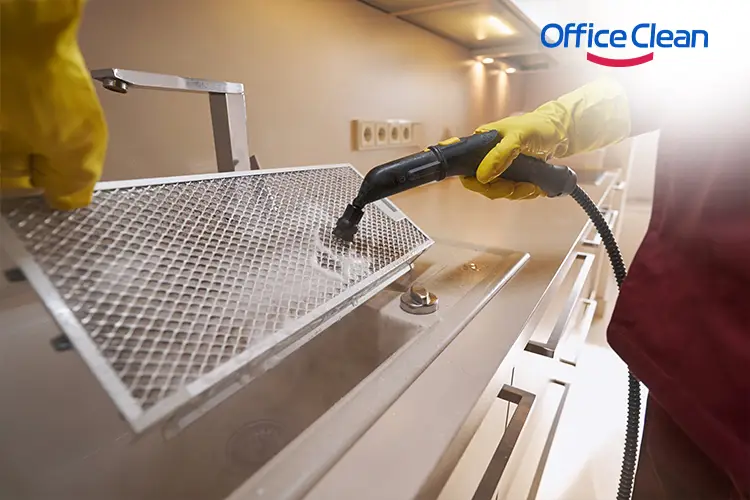
DIY cleaning is low in cost, it can be a time-consuming process and may not provide a deep clean. Professionals use advanced techniques like steam cleaning, ultrasonic cleaning, or dry ice blasting to ensure thorough results. For complex machinery, Clean-in-Place (CIP) systems automate cleaning.
DIY cleaning works for routine tasks, but for deep, high-quality results, professional services are the best choice, especially for sensitive environments.
Conclusions
Cleaning manufacturing equipment regularly is important for keeping everything running smoothly and safely. While you can do basic cleaning yourself, hiring professionals is best for a deeper clean, especially for complex or sensitive equipment. This helps your equipment last longer, meet safety standards, and avoid expensive breakdowns.