
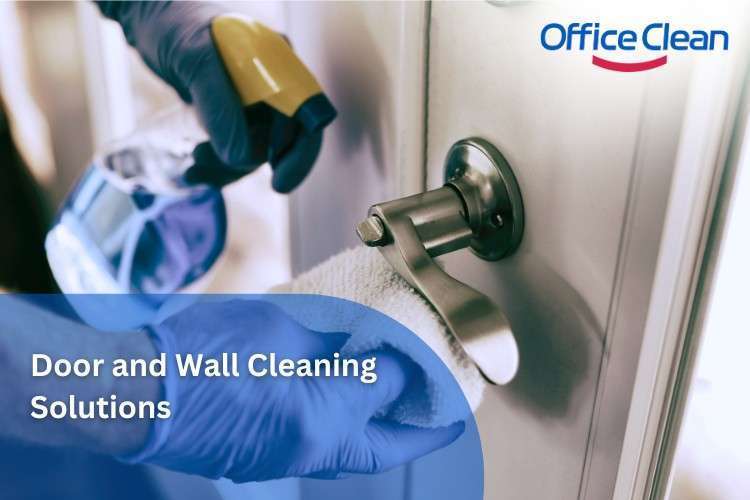
Doors and walls are among the most frequently touched and exposed surfaces in a home, but they are often neglected when it comes to cleaning. Dust, fingerprints stains, etc accumulate over time in your space which makes it look drab and unclean. Frequent cleaning improves your home, and it also contributes to better air inside by assuring that you join the allergens and dust.
The best part? You can get the work done without harsh chemicals or hours of scrubbing! It knows its grease from its grime just enough to spring doors and walls back into fresh, clean shape with a few easy techniques, all of which are recommended by experts. The trick is knowing which cleaning products and methods to use when cleaning your blinds. A strong, effective yet eco-friendly cleaner made from plant and mineral-based ingredients is the perfect option it will remove dirt and grime while saving time, energy, and money.
From regular dusting to using gentle cleaning solutions, this is all easier than you think to carry out in order to maintain clean surfaces. With simple cleaning techniques and the right products, you can easily maintain fresh, clean walls and doors that brighten up your home.
Why Cleaning Doors and Walls is Essential?
Cleaning doors and walls regularly is important for a clean and uplifting home. Regular cleaning helps keep them looking good and increases the longevity of the paint or wallpaper.
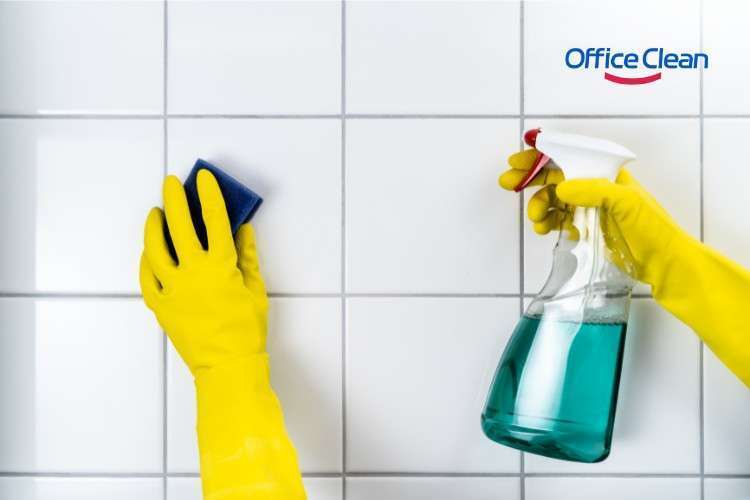
Here are key reasons highlighting its importance:
Enhances Aesthetic Appeal
Your entire home looks cleaner and more inviting when walls and doors are clean. Cleaning surfaces of any size and type gives the room a cared-for and well-maintained feeling. It makes your home look a lot more presentable and inviting either for guests or yourself.
Keeps Your Home Looking New
Walls and doors can accumulate dirt, smudges, and stains over time, making them look old and worn. Routine cleaning helps remove this buildup so your home maintains a newer, fresher appearance. It feels like a well-maintained area if the walls and doors are a few years older.
Removes Mold and Mildew
In areas where there is moisture in the air, such as bathrooms and kitchens, mold and mildew can grow on walls and doors. They can damage your surfaces and even be detrimental to your health if not cleaned. Cleaning these areas regularly will help prevent mold and mildew, ensuring your walls remain high quality and keeping your health in check.
Reduces Allergens
Over time, things like pet hair, pollen, and dust can accumulate and find their way onto your walls and doors. These allergens can lead to sneezing, itchy eyes and even breathing problems. Regular cleaning eliminates those particles and helps your home feel more comfortable for everyone, particularly people with allergies.
Improves Indoor Air Quality
Dust and dirt and even pet dander can adhere to walls and doors. If this happens, these particles can enter the air, aggravating the air quality. Cleaning these surfaces lowers the level of dust and allergens, so your air quality improves and your home is a healthier space.
Prevents Dust Buildup
Regular cleaning of your doors and walls could prevent the dust build-up. Dust is a nuisance and can lead to breathing issues if you suffer from allergies or asthma. By cleaning surfaces, you’re ensuring less dust in the air to begin with, which makes it easier for everyone to breathe.
Enhances Paint and Finish Durability
Over time, dirt, grime, and spills will wear away paint or finish on your walls and doors more quickly. Regular cleaning protects the paint and keeps things looking fresh longer. And that means you won’t need to repaint or touch up surfaces as frequently, which can save you time and money.
What Tools & Equipment Are Needed to Clean Walls and Doors?
The task of cleaning dirty walls and doors can seem daunting, but it certainly doesn’t have to be. These surfaces are often exposed to dirt, fingerprints, and stains, making them look worn over time.Using the right tools and methods, you could effectively clean dirt from your walls and doors and bring back their shine.
Prepare everything you need before you start:
Cleaning Tools
- Microfiber Cloths: Gentle, lint-free cloths that are ideal for wiping and buffing without scratching surfaces.
- Bucket: Used to hold warm, soapy water for quick-washing of walls and doors.
- Sponges or Soft Cloths: Best for scrubbing and wiping without scratching.
- Soft Bristle: Perfect for dusting corners and hard-to-reach spots.
- Step Ladder: Keeps you safe when you have to reach high walls and door areas to clean.
- All-Purpose Cleaner: An all-purpose cleaner that can handle a range of surfaces and types of dirt.
- Rubber Gloves: Helps you avoid contact with cleaning products and have a better grip while cleaning.
Cleaning Supplies
- Baking soda: A natural cleaner that can remove stains and odors. Powers through tough marks on walls and doors.
- Mild Dish Soap: Suitable for washing dirt and grease from surfaces without causing damage.
- White Vinegar: A natural disinfectant that helps remove stains and odors, safe for most surfaces.
- Liquid Dish Soap: Like mild dish soap, it’s good for cutting through grease and grime on walls and doors.
- Magic Eraser: A sponge that tackles tough stains and scuff marks with little effort perfect for a quick clean.
- Rubbing Alcohol: Great for removing sticky residues, ink stains, and achieving streak-free surfaces, ideal for high-touch areas.
How to Effectively Clean Dirty Walls and Doors?
Walls and doors are among the most commonly touched surfaces in our homes or office but often they are not included in the list of areas we clean. Cleaning dirty walls and doors is easy with the right approach. Regular upkeep of these surfaces will result in them looking clean and welcoming. Some solutions will help instantly recover the radiance of the walls and doors with a simple and efficient cleaning process. So Here’s an easy way to restore the fresh and clean look of your walls and doors!
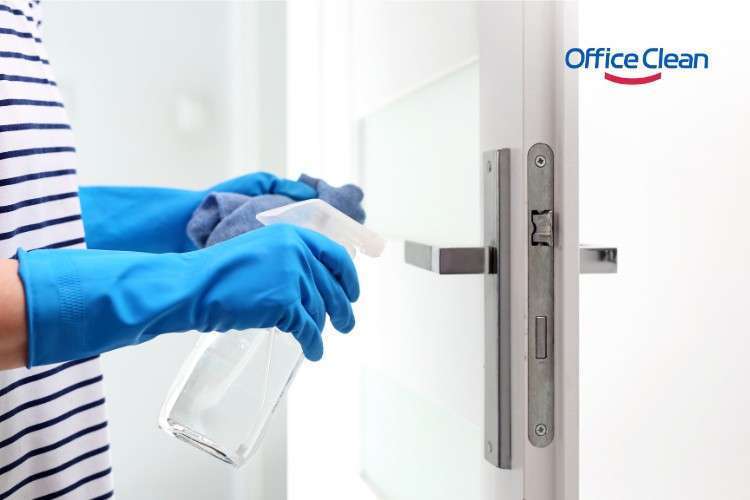
Test the Cleaner
Before treating the full surface area, clean a petite section that is less visible to test how well the mixture works. This means it won’t damage or discolor walls and doors, particularly if they’re painted or made of sensitive material such as wood.
Clean the Walls & Doors:
Once you have chosen your cleaner, start wiping the surfaces of the walls or doors. Use a damp microfiber cloth or sponge along with a mild cleaning solution. To prevent streaks and to make sure you are cleaning thoroughly, do the job in small sections. For stains that are tougher, you might need a stronger solution or a magic eraser.
Dust and Remove Cobwebs
Before applying any type of cleaner, be sure to dust your walls and doors to remove loose dirt, cobwebs, and debris. For this step a microfiber cloth or duster is perfect, especially high corners or edges.
Wipe Down the Walls
Dip a cloth into your cleaning solution, and wipe down your walls, top to bottom. It avoids streaks and aids in removing the surface evenly. For painted walls, use care that you don’t ruin the finish.
Use a soft scrub for sensitive surfaces
On more fragile surfaces like wood or freshly painted walls, do not apply abrasive scrubbing. Wipe with a soft sponge or microfiber cloth and a mild cleaner, exerting only light pressure to remove dirt but not damage the surface.
Try Natural Cleaners
For a more environmentally conscious approach, natural cleaners such as vinegar and water solution or a couple of drops of essential oils can be used. They’re safe for most surfaces and effective at getting rid of grime and are gentler on the environment.
Touch-Up Paint After Cleaning
Once you’ve cleaned, check your walls and doors for scuffs or chips in the paint. Keep the longer surfaces looking clean and well-maintained by touching up with matching paint where it is affected.
How to Clean Different Types of Walls and Doors Safely?
It is necessary to know the specific materials that you are going to clean in order to clean the wall and door effectively.
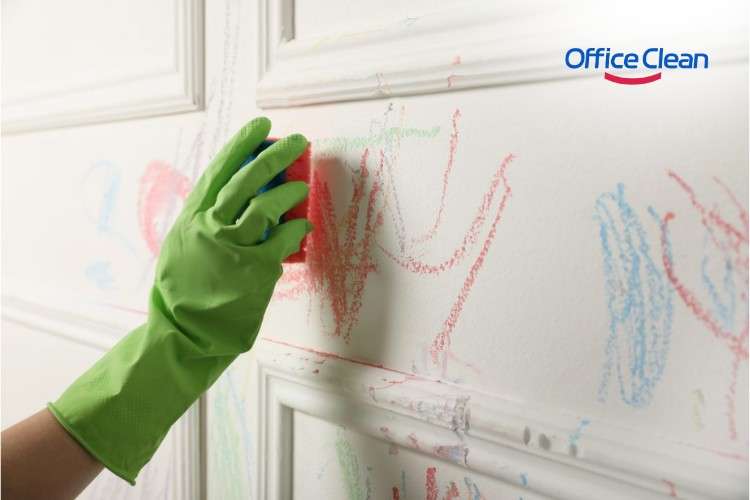
Here’s a guide to different wall types and their recommended cleaning methods:
Painted Walls
- Wipe with a solution of mild dish soap and a damp microfiber cloth.
- Apply in circular motion top-to-bottom action.
- For stubborn stains, apply a paste of baking soda, scrub gently, and wipe clean.
- Never use harsh cleaners as it may damage the paint.
- Dusting regularly helps keep the paint looking fresh.
Wood Paneling
- Dust with a soft cloth or duster.
- Wipe with a damp cloth and wood-friendly cleaner.
- Wipe it clean and dry as soon as possible with a fresh, dry cloth.
- Do not use too much water, also cause warping.
- Regular polishing enhances the natural shine of the wood.
Tile Walls
- Wipe it down with a damp cloth and a solution of mild dish soap.
- Cleaning regularly prevents the buildup of mold and mildew.
- Sealing grout will help protect against staining.
Wallpapered Walls
- Dust it regularly with a soft brush or vacuum it with a brush attachment.
- For stains, gently sponge with a solution of mild dish soap and water.
- Always try any cleaning solution in an inconspicuous area first.
- Be careful with a light hand to avoid ripping.
Metal Doors
- Wipe with a damp cloth and mild dish soap solution.
- Cleaning regularly stops you from getting rust.
- Use a protective wax coating to keep it shining.
Wooden Doors
- Dust with a soft cloth.
- Wipe with a damp cloth and wood-safe cleaner.
- Use water lightly to keep from warping.
- Regular polishing enhances the wood’s natural beauty.
Why Do You Call a Professional Cleaner?
- Better Results: Professional cleaners achieve a deeper, more thorough clean, removing stubborn stains and restoring your surfaces to their best condition.
- Access to Advanced Equipment: For more satisfactory results, especially in hard-to-reach areas, professionals use quality tools and cleaners.
- Expert Knowledge: Professionals are aware of safe and effective cleaning for every surface with the use of correct techniques and products.
- Long-Term Surface Care: Regular professional cleaning will keep your walls and doors looking and feeling new for a long time.
- Damage Prevention: Experts use gentle methods, which can prevent damage such as peeling paint, scratches or fading on surfaces.
- Save Time and Effort: By hiring experts, you can spend your efforts on other duties, while specialists do the cleaning duties promptly and effectively.
Conclusion
Maintaining the cleanliness of your painted walls is achievable with some basic precautions. With regular dusting, gentle cleaning, and the use of the proper techniques, you can keep your walls looking new.
In addition to cleanliness, caring for walls and doors also preserves the life of paint, wallpaper and finishes. Without professional care, dirt and grime can damage these surfaces over time, resulting in expensive repairs or repainting. So With a little bit of care, your walls will stay beautiful for many years!
FAQ
What are the other types of Commercial cleaning services?
Types of commercial cleaning services include office cleaning, carpet and upholstery cleaning, window washing, floor maintenance, industrial cleaning, medical facility sanitization, post-construction cleanup, pressure washing, restroom sanitation, and specialized cleaning for retail spaces, schools, and warehouses.