
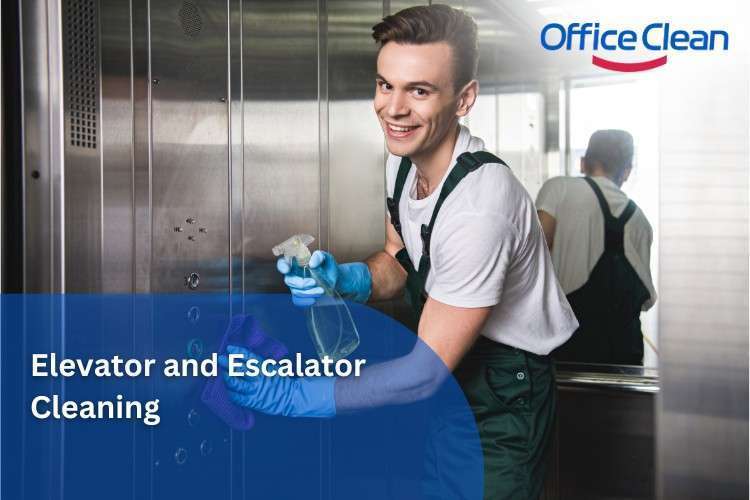
Elevators and escalators are essential components of many buildings, enabling quick and efficient access to different floors. They are used by so many people on a daily basis which makes them dirty and filthy. Cleaning elevators and escalators is important in order to maintain hygiene, safety, and durability. Elevator buttons can harbor 40 times more bacteria than seats in public toilets, according to studies, so cleaning them regularly is a matter of life and death.
In high-traffic areas such as malls, office buildings, and public transit stations, dirt, dust, and germs accumulate rapidly and can pose complications and safety hazards. Cutting-edge cleaning methodologies, environmentally friendly solutions, robotic cleaning systems, and other such advancements of the industry have revolutionized cleaning in 2026.
In this blog, we explain the need for proper cleaning of lifts and escalators as well as some helpful and easy-to-follow tips to keep them clean and in good working condition. Be you a lift owner, building owner, shopping center owner, facility manager, or just a regular user, this guide will give you an insight into what is involved in elevator and escalator cleaning. Be it building management or equipment maintenance, these tips can enhance hygiene, avert problems, and provide a safer environment for users.
Why Elevator Hygiene and Escalators Hygiene Matters?
Elevators and Escalators are all around us in shopping malls, airports, subway stations, and other public spaces around the world. It also enhances the aesthetics of the structure and is important from a first-impression point of view, particularly for commercial structures.
This makes the property owners look better and improves the visitor experience. In this blog post, we explore why escalator hygiene important and how it contributes to public safety .
Why Escalator Disinfection Is Important?
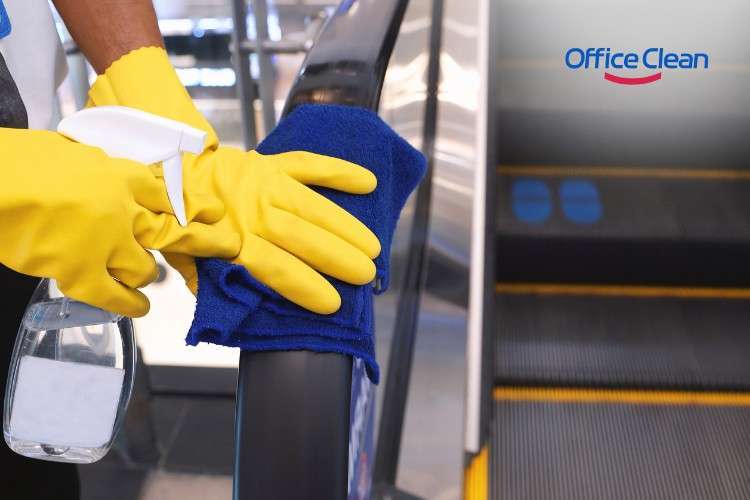
- High-Touch Areas: Handrails harbor bacteria, viruses, and dirt from hundreds of users daily.
- Infection Prevention: Routine disinfection helps reduce the risk of cross-contamination and illness.
- Enhances Public Confidence: A visibly clean and maintained escalator improves the overall perception of your facility.
Why Elevator Disinfecting Is Important ?
Elevators are compact, enclosed spaces used by dozens — sometimes hundreds — of people every day. With frequent contact on buttons, handrails, and doors, they become a prime zone for germs and bacteria to spread.
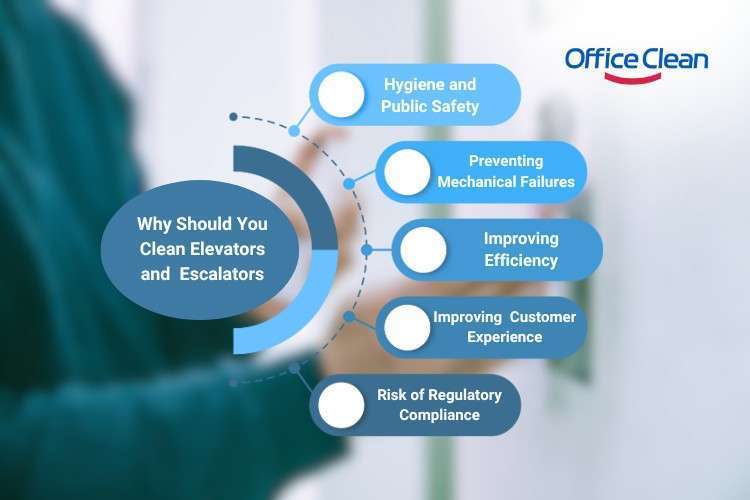
Hygiene and Public Safety
Elevator buttons, handrails, and escalator steps are handled by hundreds of people a day, even thousands. Cleaning regularly helps prevent the spread of germs and illnesses among the people.
Preventing Mechanical Failures
Dirt and grime build up, leading to wear and tear on moving parts which can lead to expensive repairs or equipment breakdown. Cleaning and maintaining the systems on a regular basis ensures removing the build-up of dirt and grime in gears, motors, and sensors, increases the life-cycle of the equipment, and substantially reduces breakdowns.
Improving Efficiency
A clean elevator and escalator run smoother. Accumulated dust and dirt inside the mechanical components may slow down the system. Proper maintenance will ensure the gear continues to operate well which includes ensuring less usage of time and energy to perform its task.
Improving Customer Experience
Clean elevators and escalators improve the user experience. Leaders have also added that enhanced systems and features to help keep people safe, like the cleanliness and helpfulness of a well-maintained system lead to a much more pleasant experience during a visit to the building. Besides, cleanliness is also a reflection of a business’s image.
Risk of Regulatory Compliance and Liability
In Australia, lifts and escalators must be designed, constructed, installed, and maintained according to Australian Standard AS1735. Facility owners may also be liable for dirty or hazardous equipment. Routine cleaning and servicing ensures compiling with safety guidelines, limits liability exposure, and protects the venue from costly claims.
Key Components of Elevators and Escalators
That Require Cleaning
Frequent Usage elevators and escalators require regular cleaning of several moving components to maintain safety, hygiene, and optimal performance. Here are the key components that require frequent attention:
Elevator Components
- Elevator Doors: The doors are constantly opening and closing, subjecting them to dirt, dust, and fingerprints. It works better and looks great when it is cleaned frequently.
- Cabin Floors and Walls: Elevator floors can accumulate dirt, debris, and stains; the walls of the cabin can accumulate fingerprints and grime. They need to be wiped down frequently and cleaned as best as possible.
- Air Vents and Fans: Dust and dirt can get absorbed around these elevator air vents and fans, which can also degrade air quality and make passengers very uncomfortable. Regular cleaning ensures improved airflow and, ultimately, a nicer ride.
- Buttons and Control Panels: Elevator buttons and control panels are high-touch spaces that also become dirty with a lot of germs. These should be regularly cleaned and disinfected to help prevent the spread of bacteria.
- Escalator Components: Escalator steps can accumulate dirt, dust, and debris. Yet lack of clean up could mean slippery surfaces.
- Step Chains and Tracks: Internal mechanisms like step chains and tracks can cause dirt and dust accumulation, which can prevent the escalator from functioning smoothly. Cleaning will keep these parts running better and longer.
- Escalator Lights and Signage: The signs and lights on escalators can get dusty or dirty, affecting visibility. Cleaning them makes them safer and helps passengers more easily navigate the escalator.
- Motor and Mechanical Components: Similarly, important mechanical parts such as escalator motors and gears can malfunction due to dirt build-up. These elements must be serviced and cleaned regularly so they do not fall into disrepair.
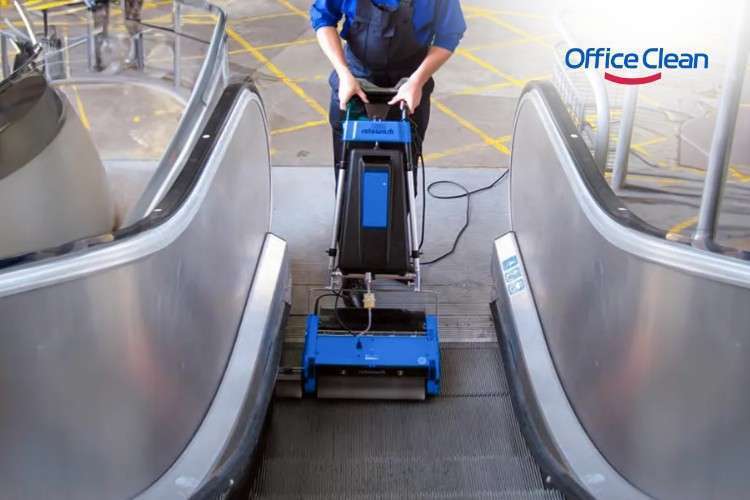
- Escalator handrail cleaning machine : It removes dirt, grease, and germs while maintaining the smooth surface and extending the handrail’s lifespan. Compact and easy to operate, these machines provide quick cleaning without disrupting escalator use, ensuring a safer and more hygienic environment in public spaces such as malls, airports, and transit stations.
Common Cleaning Challenges
- High Traffic Areas: Dirt, grime, and bacteria accumulate quickly on floors and escalators in high-traffic areas, which demands more frequent and better cleaning.
- Hard-to-Reach Areas: Most components, such as the motor and step chains, are located deep within their casing and therefore need professional maintenance to clean and require tools to access, which are not likely to be owned by the average user.
- Grease and Stains: The lift and escalator steps are usually greasy and stained or sticky and need special cleaning agents for cleaning without damaging the surface. As such, elevators and escalators are used on a constant basis, which means that for both hygiene and mechanical reasons, cleaning needs to be done far more frequently than in the past, particularly in public spaces.
- Deep Cleaning Requirements: It is insufficient to merely wave a wet wipe over these systems; portions must be disassembled and thoroughly cleaned. It may take some time, and you may also need to call on an expert or take certain components apart.
Tools & Equipment for Effective Cleaning
Maintaining clean elevators and escalators requires the right tools and equipment to ensure the job is done efficiently and safely. Using appropriate cleaning products and specialized equipment helps improve cleanliness, reduce downtime, and prolong the life of the systems.
Essential Cleaning Products
- Glass Cleaner: Suitable for elevator doors, mirrors, and windows, this glass cleaner leaves a streak-free shine and kills smudges and fingerprints.
- Antimicrobial Coatings: Antimicrobial-coated surfaces also reduce the growth of bacteria, and people will always appreciate surfaces that are generally cleaner, even in high-footfall areas.
- Disinfectant Sprays: Because these sprays are highly effective germ- and bacteria-killers, they’re a good option for cleaning high-contact points like elevator buttons, control panels, and escalator handrails.
Specialized Escalator Cleaning Equipment
- Escalator Step Cleaning Machines: These are specialized machines for cleaning the steps of escalators. Having tools such as brushes, vacuums, and other specialized equipment make for effective and efficient, yet safe, cleaning of equipment.
- Escalator Step Brushes: Escalator step brushes, for example, scrub dirt, dust, and debris from the steps. The bristles of these brushes are built to fit in between step treads to help lift and scrub away buildup that could develop into slipping hazards.
- Escalator Scraping Tools: Escalator scraping tools will be used for removing stuck on debris or dirt from steps or rails. They are vital to keeping things running smoothly; debris is also responsible to prevent mechanical breakdowns.
- Escalator Lubrication Systems: Escalator parts are designed to run to top efficiency with lubrication systems. Regular cleaning and lubrication of the motor, the chains, and step axles help minimize mechanical failure and friction.
Elevator Cleaning Tools
- Vacuum Cleaners: The powerful commercial vacuums are the only items that can accurately remove dust, dirt, and debris from elevator floors and carpets. Other cleaners are generally used to clean out the cabin and prevent the build-up of oils and dust in the tight spots but with significantly less accuracy.
- Disinfecting Wipes: These are handy for quickly sanitizing high-touch surfaces, like buttons, rails and panels. No extra equipment is needed. Besides, they also assist significantly in decreasing the spread of germs and bacteria.
- Steam Cleaners: For the elevator wall, you can use the Hydro cleaning method or Steam cleaning, which provides deep and chemical residue-free cleaning. They serve to disinfect and sanitize floors, walls, and door panels using nothing but water vapor.
- Microfiber Cloths: Microfiber cloths are also good for elevator buttons, control panels, and door frames. They hold dirt and grime without scratching surfaces, leaving them streak-free and polished.
- Squeegees: Squeegees are great for elevator windows and mirrors. They squeeze off the mixture of water and cleaning solution, leaving glass surfaces clean, clear, and streak-free.
Innovative Cleaning Technologies
- Automated Cleaning Systems: There are cleaning robots and systems that are also used for elevators and escalators. Thus, these machines are used to clean floors, rails, and other surfaces in a more efficient method than any manual labor.
- Drones for Deep Cleaning: More advanced cleansers have started using drones with cleaning devices to aid deep cleans in hard-to-reach areas such as ceiling panels or ventilation systems in elevators. It helps in cleaning in no time, with greater precision.
- Ionization Air Purifiers: Ionization air purifiers in the elevator cabins. They emit negative ions that can neutralize pollutants, dust, and allergens, making the air users breathe cleaner and fresher.
- UV-C Light Disinfection: One potential solution for disinfecting elevators & escalators involves the use of ultraviolet light (UV-C) technology. UV-C lamps can kill bacteria and viruses on surfaces, so it’s good for high-traffic areas.
- Eco-friendly escalator cleaning: Many cleaning products are now designed to be eco-friendly, using biodegradable ingredients that are safe for users and the planet. Eco-friendly solutions guarantee comprehensive and environmentally friendly cleaning.
Step-by-Step Guide to Cleaning Elevators
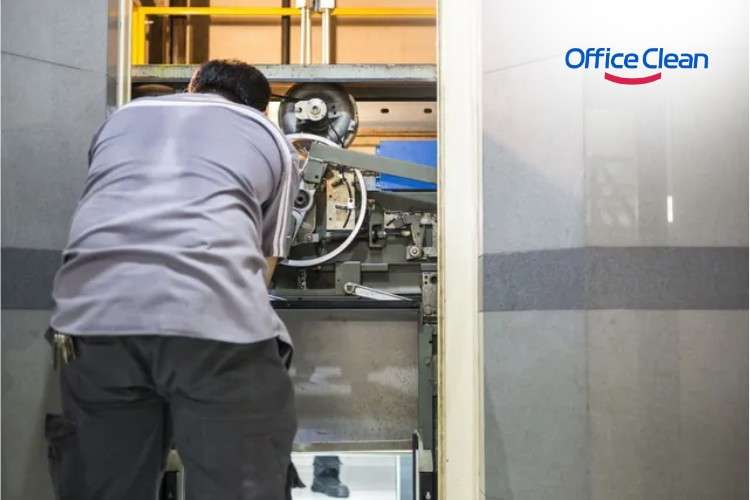
Cleaning elevators goes beyond aesthetics; it is crucial to maintain hygiene, safety, and equipment functionality. This simple-to-follow guide helps you achieve a clean environment that reduces the spread of harmful germs and helps prevent failures due to dirt or dust. These 5 steps not only help improve the life of the elevator but ensure better user experience along with health and safety standards.
Preparing for Cleaning
- Make sure to have the right tools and equipment in place. Squeegee, microfiber cloths, disinfecting wipes, a mop or a vacuum cleaner, a floor scrubbing machine.
- The elevator can be turned off to avoid mistakes.
- Read any instructions or safety precautions before using cleaning products.
- Wipe off dirt and rubbish around the elevator floor, which also makes it easier to clean.
Cleaning Walls and Surfaces
- Dry all surfaces with a fresh cloth so it doesn’t get water spots and streaks
- Wipe down control panels, taking care not to get the panels overly wet, as excess moisture can affect electrical components.
- For clean glass panels or mirrors, mop up with a squeegee to eliminate streaks.
Disinfecting Buttons and Handrails
- Use disinfecting wipes or a spray disinfectant on elevator buttons and handrails to kill germs.
- High-touch areas, such as floor buttons and handrails, should be disinfected to reduce the risk of bacterial spread.
- Next, use a microfiber cloth to remove any excess disinfectant and get a streak-free finish.
Floor Cleaning and Maintenance
- Sweep the elevator floor with the vacuum cleaner.
- These are high-suction commercial vacuum cleaners for carpeted floors.
- On hard floors, scrub with a floor scrubber or mop applied with an appropriate cleaning solution.
- Sweep the floor to make it neat and tidy
Inspecting Door Tracks
- Inspect the elevator door tracks for dirt, dust, or debris build-up.
- Use the hose attachment on a vacuum to clean hard-to-access areas.
- Check the tracks periodically to see if they need cleaning so that the doors can open and close smoothly.
- Ensure that there are no impediments in the tracks that may be the cause of any hitches and may cause damage.
Step-by-Step Guide to Cleaning Escalators
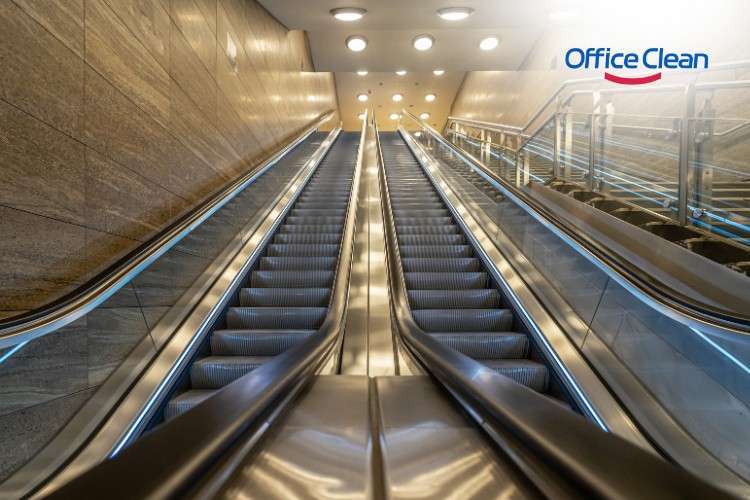
Proper escalator cleaning is essential for maintaining safety, functionality, and a professional appearance. This guide outlines the key steps for effective cleaning, from gathering the right tools to sanitizing handrails and inspecting for damage. These 5 best practices will help keep your escalator clean, well-maintained and out of danger from a potential safety hazard.
Preparing for Cleaning
- Gather your cleaning tools including brushes, microfiber cloths, disinfecting wipes, vacuums, and squeegees.
- Ensure the escalator is powered down or locked out to prevent unintended use during cleaning.
- Keep the area around the escalator clear to prevent obstructions during cleaning.
Cleaning Escalator Treads
- Before anything else, use an escalator step brush to sweep dirt, dust, and debris out from the treads.
- Make sure the cleaner used does not eat away at escalator materials that will ruin treads.
- Using a vacuum cleaner, clean the cracks between the steps using a hose attachment.
- Consider using a non-abrasive scrubber to gently clean stubborn stains without damaging the surface.
Sanitizing Handrails
- This can be done with disinfecting wipes, or spray, to clean the handrails to remove dirt and bacteria.
- Target areas most affected by passengers, such as the upper and lower portions of the handrail.
- The liquid used in a cleaning solution should not be too much, may actually create moisture.
Cleaning Side Panels
- For metal panels, a stainless-steel cleaner will help maintain the shine without streaking.
- For glass or clear panels, squeegee the dirt away and leave that streak free.
Inspecting for Damage
- Check escalator steps and handrails for cracks, chips, and wear.
- See if there are any blockages, dirt in the step chains, motor, or anything else inside the scalp that might break things.
- Conduct safety testing of the escalator, including testing of the emergency stop buttons.
How to Create an Elevator and Escalator Cleaning Schedule?
Creating an effective cleaning schedule for elevators and escalators is essential to ensure they are safe, clean, and efficiently operated. A good cleaning schedule will take daily, weekly, and monthly tasks into account, and can be adjusted for high-traffic areas or seasonal needs. Keep reading the following 4 steps to establish a cleaning schedule that is appropriate for your building.
Daily Cleaning Tasks
Each day, make sure to:
- Wash and disinfect frequently touched surfaces such as elevator buttons, control panels, and handrails.
- Vacuum or mop the floors in the elevator and as needed.
- Use a step brush for cleaning dirt dust and other rubbish on escalator steps.
- Wipe down escalator handrails with disinfecting wipes to minimize the transfer of germs.
Weekly and Monthly Maintenance
Weekly and Monthly Focus:
- Weekly: More thoroughly clean the elevator cabin floors, walls, and doors with a disinfectant. Inspect the door tracks for dust and clean away any build-up. Check emergency buttons and critical functions.
- Monthly: Inspect and clean step chains, motor and other internal parts on an escalator. They can be moved around and lubricated to ensure that they still function properly. Inspect electrical components to ensure the proper function.
Seasonal Adjustments
During different seasons, you may need to adjust your cleaning schedule. For example:
- Winter Season: For winter months you have to clean more often because dirt and salt come from outside.
- Rainy Season: In case of this season, apply special care on the damp areas, ensure that the floors are also wiped and dried as soon as possible to prevent slippages.
- Spring Season: Focus on deep cleaning by dusting windows, cleaning carpets, and removing allergens. Tidy neglected areas like baseboards and ceiling fans for a fresh, clean space.
Tailoring Schedules for High-Traffic Areas
In high-traffic places like malls, airports or a busy office building, proper cleaning is required more often. Consider the following for this:
- Daily Cleanings: Elevators and escalators in busy areas may require more daily cleaning due to the greater volume of users.
- Regular Inspections: With increased usage, these areas are more prone to wear and tear, so inspect equipment for damage more often.
Best Practices for Safe and Efficient Cleaning
Elevators and escalators must be properly cleaned with the correct techniques, and appropriate tools along with ensuring security.
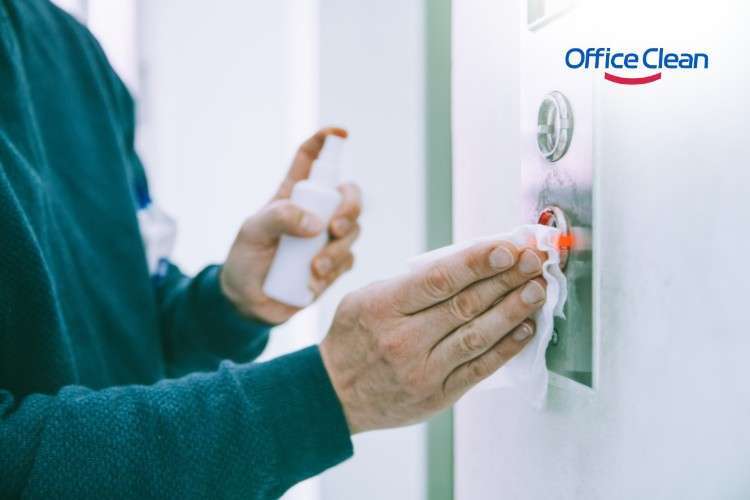
Here are the key practices to follow in order to ensure best practices for providing a cleaner and safer environment and ensuring efficient cleaning:
1. Staff Training
- Knowledge of the best cleaning products for different surfaces.
- Following the proper use of cleaning tools and equipment
- Be aware of precautions for using cleaning supplies.
- Proper process for disposal, especially hazardous chemicals or waste.
2. Safety Precautions During Cleaning
- When cleaning the elevator or escalator be sure it is off to prevent any accidents.
- Just make sure you follow the manufacturer’s cleaning instructions so you don’t cause any damage.
- Signs that notify passengers of cleaning in progress.
- We also recommend that cleaning and disinfection personnel wear appropriate protective clothing including gloves, masks, or non-slip shoes.
3. Using Eco-Friendly Cleaning Solutions
- Go for plant-based cleaners to minimize harsh chemicals.
- Biodegradable cleaning products that break down naturally and are safe for the planet.
- Above are ineffectual toxic disinfectants that do harm to the user and the cleaner.
4. Maintaining Cleaning Equipment
- Periodically inspect and clean your vacuums, brushes, and other tools to remove build-up.
- Be sure to use and maintain electrical cleaning devices in a proper manner.
- Clean and clear up all the cleaning equipment properly to prevent any damage and wear and tear.
- Confirm that cleaning agents are being used in accordance with manufacturer recommendations.
Regular maintenance & cleaning of escalators play a crucial role in ensuring a safe, clean and attractive atmosphere. With the proper tools and techniques, you can do everything from getting rid of dirt and sanitizing high-touch areas to inspecting for issues before they rise to full-blown problems. Proper maintenance helps increase the lifespan of the escalator and improves the experience of users as a whole.