
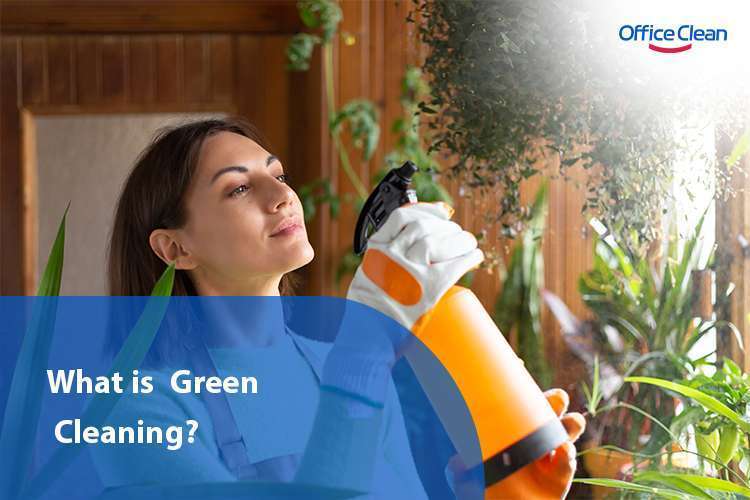
Eco-friendly green cleaning explained. Learn safe, low-tox cleaning methods that improve air quality and protect your environment.
What is Green Cleaning?
Green cleaning is simply a cleaner, safer way of maintaining a space. It focuses on using environmentally friendly, low-tox products and gentle cleaning methods instead of harsh chemicals. The goal is to reduce the negative impact of cleaning while creating a healthier atmosphere for the people who live, work, or visit the building.
When it comes to green commercial cleaning, every product is chosen with care. Cleaners use biodegradable, non-toxic, and chemical-free solutions that are kinder to both people and the planet. These eco-friendly products help improve indoor air quality, reduce irritation and chemical exposure, and minimise the amount of pollutants released into the environment.
In short, it’s a smarter way to clean healthier for your workplace and better for the world around you.
Why Is It Important for the Environment?
Green cleaning protects the environment by reducing:
- Chemical runoff
- Air pollution
- Plastic waste
- Toxic residue
Traditional cleaning products release VOCs and harmful chemicals that pollute indoor air and waterways. Green cleaning minimizes these impacts, making it a smarter choice for long-term sustainability.
Key Principles of Green Cleaning
Green cleaning follows three core principles that guide safe, sustainable cleaning:
Using Eco-Friendly Products
Eco-friendly products are:
- Biodegradable
- Free from chlorine, ammonia, synthetic dyes
- Safer for kids, pets, and sensitive individuals
- Certified by GECA, Green Seal, EcoLogo, or Safer Choice
These cleaners reduce toxins while still delivering strong performance.
Conserving Resources
Green cleaning encourages:
- Microfibre cloths instead of paper towels
- Refillable spray bottles
- Water-saving cleaning equipment
- Concentrated solutions to reduce waste
This reduces environmental impact during everyday cleaning.
Avoid Harmful Chemicals
Green cleaning avoids common harsh chemicals such as:
- Bleach
- Phosphates
- Sodium hydroxide
- Synthetic fragrances
These chemicals can cause skin irritation, allergies, and long-term health issues.
Major Benefits of Green Cleaning
Better Air Quality
Green cleaning greatly reduces airborne toxins and irritants.
Benefits include:
- Fewer allergies
- Less respiratory irritation
- Healthier indoor environments
Excellent for offices where people spend long hours indoors.
Less Environmental Impact
Green cleaning lowers your cleaning footprint by:
- Reducing water pollution
- Minimising chemical waste
- Cutting down on landfill
- Using products that break down naturally
Cost-Efficiency: Saving Money With DIY Solutions
Green cleaning can save money. Many effective cleaners can be made at home using:
- Vinegar
- Baking soda
- Lemon
- Essential oils
These DIY options work well for daily tasks while keeping costs low.
How To Start Green Cleaning Your Home
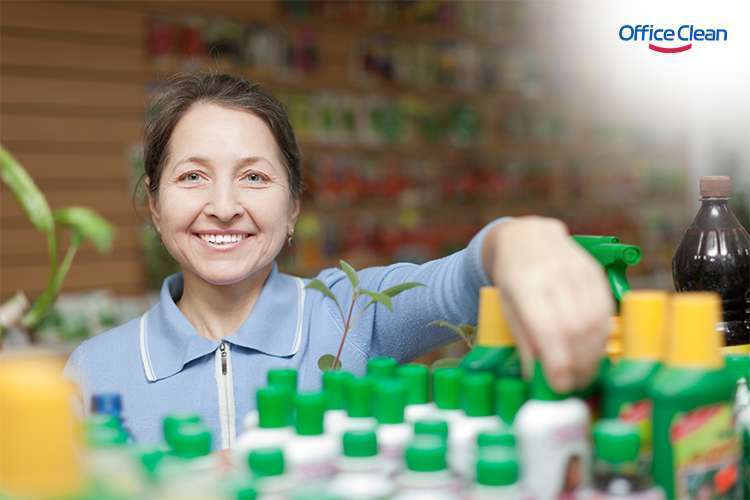
To begin green cleaning:
- Replace harsh cleaners with eco-certified products
- Use reusable cloths and mop pads
- Avoid aerosol sprays
- Switch to refillable bottles
- Limit water waste
- Choose low-tox disinfectants
These small steps create a noticeable difference in air quality and cleanliness.
DIY Recipes for Eco-Friendly Cleaning Solutions
All-Purpose Cleaner
- 1 cup vinegar
- 1 cup water
- 10 drops lemon or tea tree oil
Glass Cleaner
- 2 cups warm water
- ¼ cup vinegar
- 1 tbsp cornflour
Natural Deodoriser
- Sprinkle baking soda on carpets
- Let sit for 20 minutes
- Vacuum thoroughly
Pros & Cons of DIY Eco-Friendly Solutions
Pros
- Cheaper than store-bought products
- Safe for children and pets
- Reduce toxic exposure
- Environmentally friendly
- Easy to make with basic ingredients
Cons
- Weaker disinfecting ability
- Short shelf life
- Not suitable for stone surfaces (vinegar reacts)
- Not ideal for large commercial spaces
DIY is great for everyday home cleaning not for heavy commercial cleaning.
Tips for Transitioning to Green Cleaning
- Replace one product at a time to avoid overwhelm
- Choose products with clear ingredient lists
- Only buy items with trusted eco-certifications
- Use refill stations whenever possible
- Train family members or staff on green-cleaning practices
- Switch to reusable tools to reduce waste
Small consistent changes lead to long-term sustainability.
How to Identify Green Products and Avoid Greenwashing
To avoid fake “green” products, check for:
Proper Certifications
- GECA
- Green Seal
- EcoLogo
- Safer Choice
Full Ingredient Transparency
Avoid vague terms like “fragrance blend” or “proprietary formula.”
Sustainable Packaging
- Recycled materials
- Refill systems
- Minimal plastic
Real Performance Reviews
A real eco-friendly product should clean well without compromising safety.
Frequently ask Question for Green Cleaning
What is the meaning of green cleaning?
Green cleaning means cleaning with non-toxic, environmentally safe products and methods. It reduces chemical exposure and lowers environmental impact.
What is an example of green cleaning?
Using a vinegar-and-water spray instead of bleach is a simple example of green cleaning. Using microfibre cloths instead of disposable wipes is another.
What are the 4 types of cleaning?
- Routine/Regular Cleaning
- Deep Cleaning
- Preventive Cleaning
- Specialised Cleaning
What are green cleaning services?
Green cleaning services use eco-friendly products, low-tox methods, microfibre tools, and sustainable practices to clean homes or commercial spaces safely.