
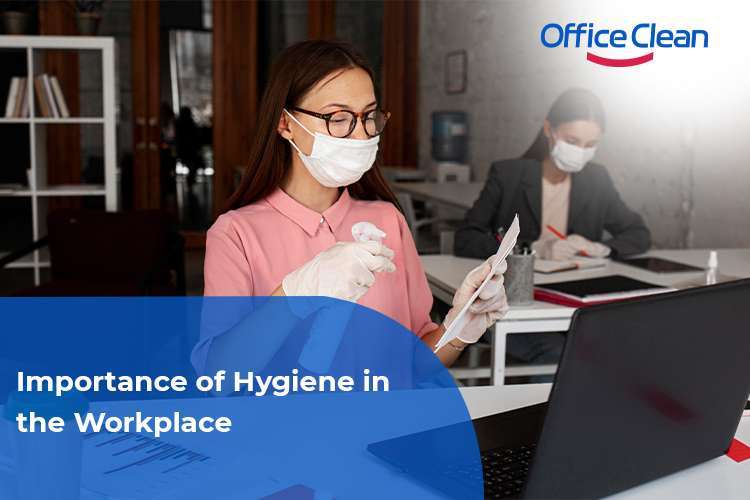
How clean is your workplace? Since we spend a lot of time at work, it’s important to maintain good personal hygiene. Workplace hygiene is not limited only to the work desk but also includes restrooms and common areas. In simple terms, hygiene is the practice of keeping yourself and your environment clean to prevent germs and diseases.
While clean workplaces are often taken for granted, they are crucial for health, safety, and business success. A clean workplace is also important for your employees’ well-being, your brand’s reputation, and smooth operations. Both employees and employers have a role in maintaining good hygiene, with clear hygiene policies in place from day one.
Why is good health and hygiene at workplace so important?
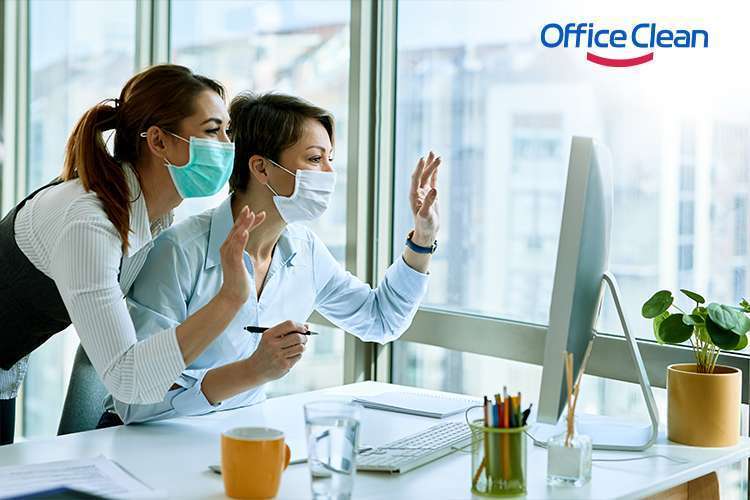
Germs are easily transmitted in areas where people share space, and offices are no exception. Things that can become everyday habits, like sneezing without covering your mouth, a messy kitchen or area, or handwashing, to unhealthy to everyone in your workplace. Making sure that the workplace is organized is not only about being neat, but it is also about having a healthy and productive space. A clean office means fewer sick days, happy employees, and increased efficiency, which is good for everybody.
Here are some reasons why hygiene in the office is so important:
- Staying Healthy: A clean office helps prevent the spread of common sicknesses like colds and flus.
- Preventing Infections: Promoting clean desks and washing hands to prevent germs from spreading and keeping infections at bay.
- Boosting Productivity: A cluttered desk can distract you from your work. Maintain a clean work area so that you can always stay productive.
- Reducing Sick Days: With fewer germs around, everyone is less likely to take sick leave, leading to a more consistent and efficient team.
Maintaining hygiene at work
Keep Your Desk Clean: Employees should clean their work desks regularly to stop the dust from settling and reduce germs and infections. Sanitize Hands Frequently: Germs spread fast! Employees should wash their hands with soap and water several times a day, and also use hand sanitizer to reduce the chances of bacteria and viruses spreading.
- Eating at Your Desk: Crumbs and spills can attract bacteria, making your workspace less hygienic. It’s best to eat in designated areas and keep your desk clean.
- Keep Tissues Handy: Always have a box of tissues on their desks to cover sneezes and clean up quickly to stop spreading germs.
- Clean Shared Equipment: Office equipment such as printers, telephones, and keyboards are germ factories. Wipe them down from time to time and help keep things sanitary for all.
How do you keep your workplace clean and hygienic?
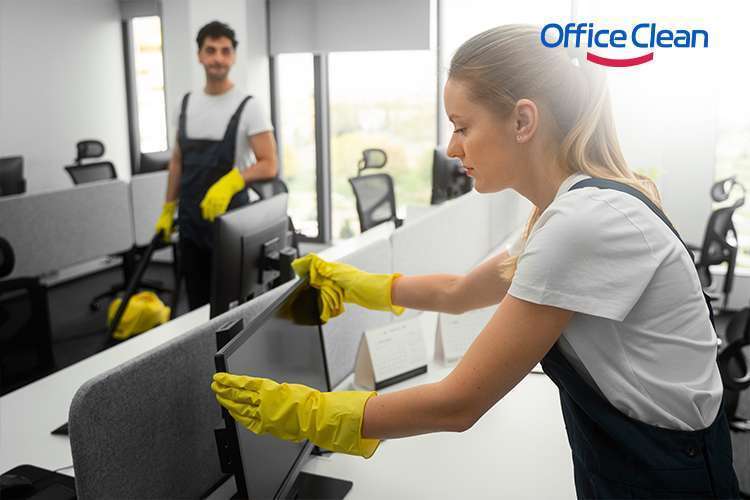
At a minimum, workplace environments should be kept clean, safe, and sanitized where possible. A tidy environment not only creates a good impression but also helps reduce the risk of illness. Implementing basic cleaning routines and hygiene practices plays a crucial role in maintaining a safe and comfortable workplace.
General Area Cleanliness and Hygiene
Common spaces, such as meeting rooms, shared workspaces and reception areas, should also be sanitized regularly to prevent germs from spreading. Disinfect surfaces such as desks, doorknobs and office equipment. Keep your hand sanitizers in such places so that everyone can use them and maintain their health. A clean office ensures that the environment remains pleasant and productive for everyone.
Personal Hygiene Rules
Maintain good personal hygiene in the workplace. Employees should wash their hands frequently, particularly before eating and after using the restroom. Be sure to cover your mouth when sneezing or coughing, and dispose of used tissues immediately. Cleaning up your desk and personal work area helps minimize the spread of germs and makes the office a more sanitary work environment.
Restroom Hygiene
The restroom is a place that all of the employees use often, so maintaining hygiene in this place is highly essential. It helps to restock hand soap, toilet paper, hand wash, tissues, and hand-drying towels or machines to keep hygiene up to par. Most companies prefer to hire a separate external cleaning service to sanitize the restroom. A solid workplace hygiene policy should also outline how often the restrooms should be cleaned to ensure they stay hygienic for everyone.
Kitchen Hygiene
The office kitchen is a place where food is prepared, so keeping it clean is very important. Dirty kitchens transmit germs and make people sick with foodborne illnesses. Be sure to clean utensils, plates and surfaces as needed to maintain a safe space. People who work in these facilities should clean up after themselves, keep the kitchen in order, and make sure no one comes in and complains about a lingering smell or rodents.
Air Hygiene
Having fresh and clean air is an important factor for everyone’s health at work. Poor air quality can cause breathing problems and spread germs. Air conditioning systems should be kept clean, and air should be allowed to enter the office when possible. Using air purifiers can also help to keep the air clean and comfortable.
Easy Tips to Keep Your Workplace Clean and Hygienic
A clean and hygienic workplace is essential for a healthy and productive environment. A clean office is not just a pleasant sight; it keeps employees at ease while working. Here are some easy ways to keep your workplace clean:
Promote Personal Hygiene
- These are all essential parts of the clean-up process and each member of staff should take personal accountability when it comes to hygiene and workspace.
- Encourage workers to clean and disinfect their desks and to wash their hands frequently.
Create a Hygiene Policy
- Make rules clear about cleanliness and office hygiene.
- Things like personal hygiene, how to keep the kitchen clean, bathroom habits etc.
Provide Hand Sanitizers and Tissues
- Make sure there is a hand sanitizer and a tissue box at each desk.
- Having these items easily available helps employees stay clean and stop germs from spreading.
Keep Desks Organized
- Employees should keep their desks organized and trash-free.
- Keeping a clean desk saves time and dispels distractions, allowing you to work better.
- However, regular cleaning and organizing of desks helps all stay focused.
Take Out the Trash Every Day
- Take out the trash by the end of the day.
- If trash is left in the office, it can attract germs and cause bad smells.
Share the Cleaning Tasks
- The office kitchen, equipment, and furniture are assigned to employees to clean shared spaces.
- Everyone working together to keep the office clean builds a positive environment.
What are the latest advancements in workplace hygiene technology
- Touchless Solutions: Touchless technologies like motion sensors for lighting, faucets, and soap dispensers help reduce physical contact, minimizing the spread of germs and enhancing workplace hygiene.
- No-Touch Disinfection: No-touch disinfection technologies, such as UV-C light and electrostatic sprayers, enable cleaning surfaces without physical contact and help eliminate human error while also improving overall efficiency.
- Advanced Air Purification: Advanced air purifiers with HEPA filters capture harmful airborne particles, improving air quality. Some systems also use UV-C light to kill germs, ensuring cleaner, healthier air.
- Sustainable Hygiene Solutions: Biodegradable cleaning products and refillable containers are other great examples of environmental hygiene products that reduce waste and create a more sustainable way of cleaning the business environment.
Conclusion
Ensure your workplace is cleaned regularly. Not only does this not allow germs to spread, but it maintains a professional appearance in the office. You can set a cleaning schedule and assign duties between the staff. If your team does not have the time to clean, you can explore the option of hiring an external cleaning service.