
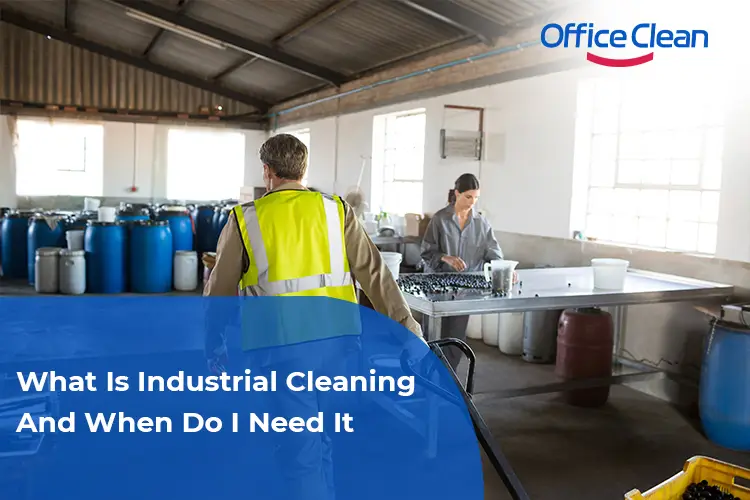
Industrial workplaces across Australia operate in environments where machinery, heavy foot traffic, and constant production pressures make proper cleaning more than just routine upkeep. It becomes a critical part of safety, compliance, productivity, and overall business performance. From large scale manufacturing plants in Melbourne to food processing facilities in Brisbane and logistics hubs in Western Sydney, every site depends on a carefully managed cleaning strategy to run smoothly.
Industrial cleaning may sound straightforward on the surface, but the truth is that it requires a specialised approach, trained professionals and a clear understanding of the environment being cleaned. When handled correctly, it reduces downtime, protects expensive assets and improves workplace morale. When handled poorly, it can lead to accidents, equipment failures and non compliance issues that quickly become costly.
This guide walks you through the essentials of industrial cleaning and offers insights into the services, benefits and decision making processes involved.
What Is Industrial Cleaning?
Industrial cleaning refers to a specialised set of cleaning practices designed for large scale facilities such as manufacturing plants, warehouses, processing centres, factories, workshops and distribution facilities. Unlike standard commercial cleaning, industrial cleaning involves handling heavy duty grime, chemical residues, machinery buildup, oil and grease, production debris and hazardous materials.
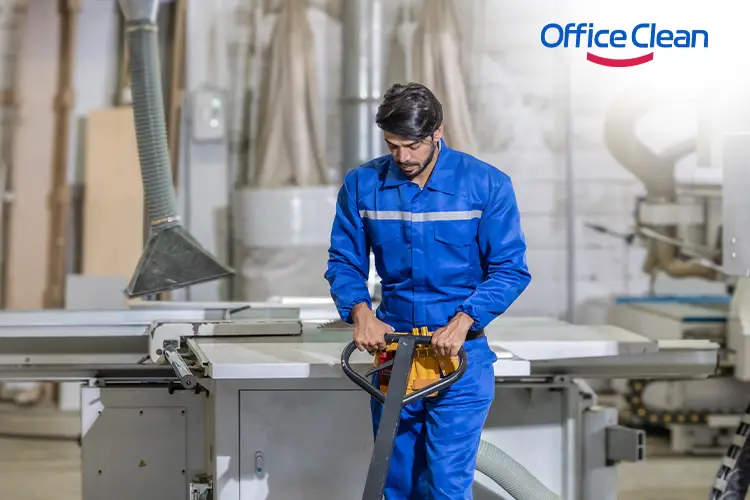
It requires advanced techniques, industrial grade equipment and staff trained to work around complex machinery, confined spaces and safety sensitive environments. An industrial cleaner must understand how different industries operate including mining, food processing, automotive manufacturing, pharmaceuticals, agriculture and construction.
For example, cleaning a food processing plant in Sydney requires strict sanitation measures, while a mining workshop in Queensland demands heavy degreasing and high pressure washing. Each industry has its own protocol, hazards and regulatory requirements, making industrial cleaning a highly specialised discipline.
Why Is Industrial Cleaning Necessary?
Cleaning is about much more than the appearance of an industrial facility it is about safety, efficiency and compliance. Cleaning is essential for any organization that runs a factory, warehouse, or manufacturing plant. Here’s why:
1. Safety First
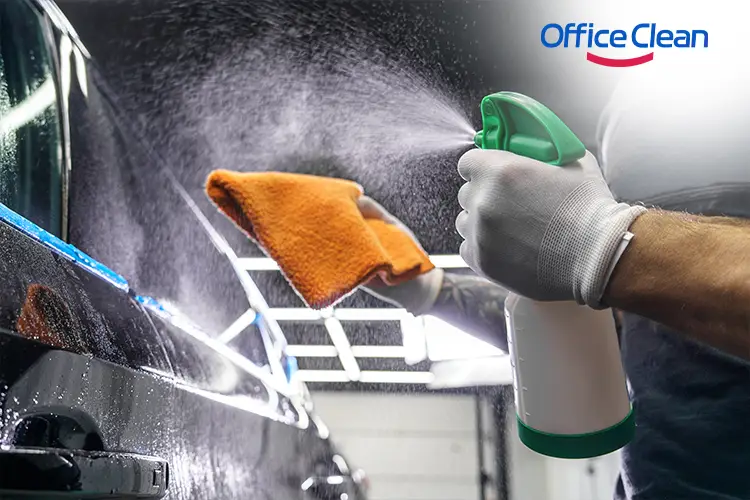
In Australia, workplace safety is governed by strict regulations under Safe Work Australia and state based authorities such as WorkSafe Victoria and SafeWork NSW. Clean and well maintained floors, equipment surfaces and walkways are essential for preventing slips, chemical exposure, dust inhalation and machine related injuries.
A dusty warehouse might seem harmless, but airborne particles can trigger respiratory issues for staff and interfere with machinery sensors. Grease buildup in workshops increases the risk of accidents. A clean workspace is simply a safer workspace.
2. Protect & Maintain Equipment
Industrial machinery is expensive to purchase and even more expensive to repair. Dirt, dust, chemical residue and oil can slowly wear down components without anyone noticing until a significant failure occurs. Regular industrial cleaning removes this buildup, extending the lifespan of machines and reducing downtime.
Many Australian manufacturers schedule deep cleaning during shut down periods. It allows technicians to clean hard to reach parts and identify early signs of damage before production resumes.
3. Improve Product Quality
Clean facilities produce better results. In industries such as packaging, metal fabrication, printing, pharmaceuticals or food production, minor contaminants can affect output quality. Dust on machinery can disrupt accuracy, while grease or chemical residue may compromise product safety.
Industrial cleaning helps maintain consistent production standards and ensures that the final output meets quality expectations.
4. Stay Compliant with Regulations
Australia maintains high standards for cleanliness, hygiene and environmental safety, especially in industries that work with chemicals, food, waste or hazardous materials. A failure to meet cleaning and sanitation requirements can result in penalties, forced closures or damaged reputation.
A food processing plant, for example, must follow strict guidelines from FSANZ, while workshops using chemicals must comply with environmental regulations. Proper industrial cleaning helps businesses pass inspections with confidence.
5. Create a Positive Impression
Whether it is employees, suppliers or clients visiting your facility, the overall cleanliness of your site reflects your standards. A clean and organised industrial space signals professionalism, operational discipline and a genuine concern for worker wellbeing. It sets the tone for how your business is perceived both internally and externally.
6. Reduce Wear & Tear on Your Building
Industrial sites experience constant movement from machinery, forklifts, staff and production activities. Dust, chemical residue and debris settle on surfaces and slowly damage floors, walls and structural elements. Regular cleaning reduces long term wear and helps maintain the integrity of the building itself.
Types of Industrial Cleaning Services
Industrial cleaning covers a wide range of services that depend on the type of facility, the industry and the cleaning goals.
1. Hydroblasting & High-Pressure Cleaning
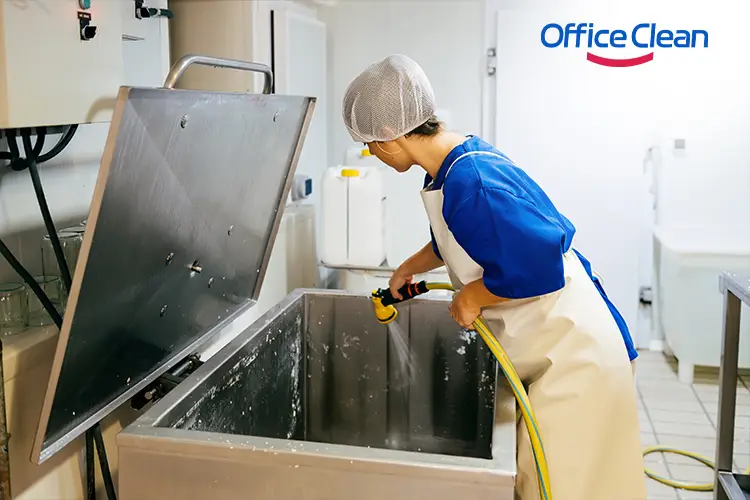
Hydroblasting uses powerful water jets to remove dirt, scale, paint and stubborn residue from surfaces. It is commonly used in factories, transport depots, construction sites and mining facilities across Australia. High pressure cleaning can restore surfaces without relying on harsh chemicals, making it effective and environmentally conscious.
2. Vacuum Excavation & Industrial Vacuuming
Industrial vacuum systems are designed to extract heavy materials like metal shavings, dust, sludge, powders or production waste. Vacuum excavation is widely used around underground utilities because it can safely remove soil without damaging cables or pipes. This service is crucial for engineering, plumbing, telecommunications and construction environments.
3. Mold Remediation
Australian climates, especially in coastal areas like Brisbane, Wollongong and Perth, create ideal conditions for mould growth inside factories, warehouses and storage facilities. Mould remediation involves identifying the source of moisture, removing affected materials and treating the area to prevent future growth. It is essential for workplace health and product protection.
4. Industrial Deep Cleaning Services
Deep cleaning goes beyond routine maintenance to address hard to reach areas, equipment interiors, ceilings, rafters, production lines and ventilation systems. Facilities often schedule deep cleaning during shutdowns or maintenance windows. It helps reset the space and maintain operational consistency.
5. Exhaust System & Ventilation Cleaning
Removing grease and dust from exhaust systems reduces the risk of fire and increases air quality in industrial plants.
- Fire risk reduction by removing flammable build-up
- Improved airflow and air quality in workspaces
- Compliance with health and safety regulations
6. Tank Cleaning Services
Sludge, sediment, and crystallization accumulate on the bottom of tanks in industrial facilities over time. Regularly cleaning equipment enhances the quality and efficiency of the product. Tank Cleaning Needed:
- Before inspections
- When switching tank contents
7. Emergency Response Cleaning
Industrial accidents can result in dangerous spills, chemical leaks or contamination. A dependable emergency cleaning company can help prevent risks and resume operations safely.
- Protects employees and the environment.
- Decreased exposure to dangerous waste.
Choosing the Right Industrial Cleaning Service
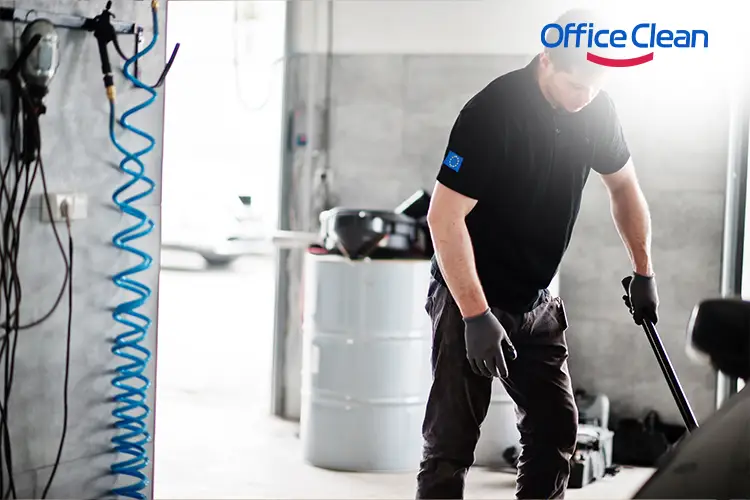
Choosing the right industrial cleaning service is essential for maintaining safety and efficiency in your facility. Whether you’re working with food-grade cleaning, chemical handling, or large-scale equipment, it’s important to partner with a provider who has specialized expertise in your field. Make sure the company is fully insured, licensed, and experienced in industrial cleaning standards. An expert does a complete analysis of your site, develops a plan specific for cleaning and uses the right tools as well as eco-friendly products to ensure compliance and safety.
Evaluate the company’s flexibility, as industrial cleaning operations typically need off-hours cleaning to eliminate downtime. That’s why when you bring on quality industrial cleaning service, you are not only outsourcing a task; you are investing in the safety, longevity, and efficiency of your facility.
Conclusions
Industrial cleaning plays a critical role in keeping industrial facilities safe, efficient, and operating at peak performance. It helps businesses stay compliant with health and safety standards, preserves essential equipment, and boosts employee satisfaction and productivity. By choosing expert industrial cleaning services, companies can concentrate on their core activities while ensuring their workspaces remain clean, secure, and professionally maintained.