
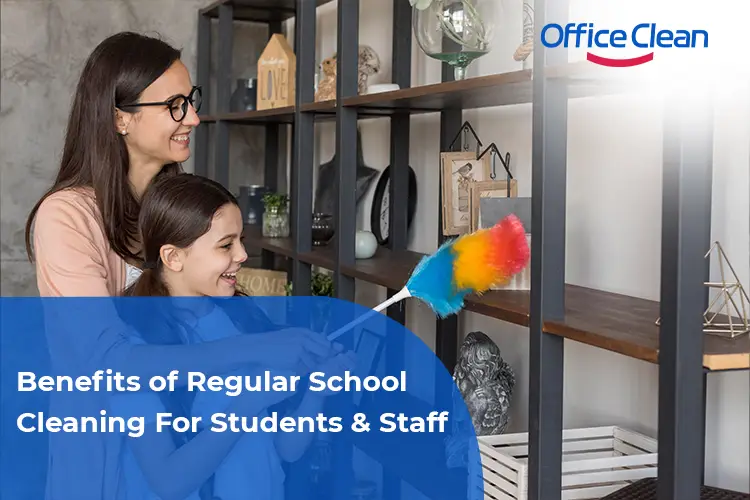
Schools are filled with kids who are always touching things, sharing germs and bringing in bacteria. That’s why it’s so important to clean, disinfect, and sanitize regularly. A clean campus also means fewer sick days and a healthier environment. Students can focus better on lessons without messy disruptions when classrooms, hallways, and eating areas are clean and well-organized. A school that is well-maintained makes it safe for teachers and staff as well. Because germs spread quickly in densely populated areas, proper school cleaning can provide a healthy and productive learning environment where everyone thrives. Keeping schools clean isn’t just important, it’s essential!
What are the benefits of a clean school?
The benefits of a clean school include a healthy, safe, and focused learning environment that supports student success and well-being. It’s not just about keeping a school in Melbourne looking good ,it’s about keeping students, teachers, and staff safe and healthy. With schools full of people, germs spread quickly! Frequent cleaning and disinfecting prevent bacteria, viruses, and allergens from making people sick.
1. Health and Safety
Schools are high-risk areas for spreading germs and viruses due to close contact among students. When the school is dirty, many illnesses such as colds, flu, stomach bugs and more can spread quickly. And that increases the chances that students and teachers fall ill, disrupting learning.
Maintaining clean surfaces ultimately breaks the cycle of germs, leading to safer schools, classrooms, hallways, and shared spaces for all. With a clean environment, schools are reducing the risk of outbreaks and ensuring that both students and staff remain healthy enough to concentrate on what matters most, learning and teaching.
2. Better Hygiene
Regular cleaning of schools helps to promote hygiene and provides a safe and healthy environment for students. Fortunately, nowadays, many schools have sufficient nutritional food and drink water facilities, such as cleaner cafeterias, which fulfill the basic needs of a student to maintain their health. A clean environment encourages students and staff to practice good hygiene. A clean school helps us all stay healthy and creates a safer place to learn.
When schools are kept clean, it sets a standard for everyone to follow, encouraging better habits like handwashing and keeping personal spaces neat. And a hygienic environment means fewer sick days, allowing students to spend more time focusing on their education and development.
3. Create a Better Environment
A clean school environment has a powerful impact on well-being. Having clean spaces, reduces stress and anxiety, thus boosting a positive and tranquil environment for students and teachers. A clean and tidy school improves the morale of the staff and helps everyone remain positive and focused
Through a clean and safe environment, our students learn to respect shared spaces while fostering responsibility and pride in their school community. When students and staff feel good about their surroundings, it fosters a sense of belonging and encourages everyone to contribute to keeping it clean. A clean school is not only a presentable school but rather a way to create a place where people can thrive.
4. Reduced the spread of illness
Keeping schools clean helps stop the spread of germs and keeps students and teachers healthy and present. Healthy students are more likely to attend school and focus on their courses.
Regular cleaning reduces the risk of illnesses like colds, flu, and stomach bugs, which can quickly spread in a school setting. Keeping things clean in schools makes sure there is less learning disruption keeping students and staff in a much healthier space to thrive.
5. Improved air quality
Routine cleaning improves air quality by removing allergens like dust and mildew, which can exacerbate allergies and asthma. Clean schools have reduced the number of pollutants and improved ventilation in the rooms so that students and staff have a healthier environment to stay. Work This improves concentration, brain function, and respiratory health. Keeping the school clean helps reduce harmful buildup over time.
Good air quality means fewer sick days and a better environment for everyone. Keeping the air clean is just one of the many ways schools promote the health and wellness of staff and students, ensuring they feel their best while learning and working.
6. Reduces Cleaning Costs
Cleaning provides a long-term solution to protect school premises from dust, dirt and grime removal which saves costs on deep cleaning services in the long run. Routine cleaning makes it simple to retain facilities and avoid expensive repairs or professional deep cleaning services. This proactive approach keeps everything in better condition for longer. Plus, a clean environment means fewer resources are needed for intensive cleaning later. By investing in regular cleaning now, schools can save money in the long run while keeping their spaces looking great and functioning well. It’s a smart way to protect your budget and your school!
7. Extended Life of School Equipment
Routine cleaning is performed to ensure the longevity of school facilities such as Chairs, Laptops, and Projectors. Over time, this dust and dirt wear and tear cost you money for repairs or replacements.
By keeping everything clean and well-maintained, schools can avoid unnecessary expenses and ensure equipment stays in good working condition. It’s a simple way to protect investments and keep things running smoothly for years to come!
8. Builds a Good Reputation
School cleanliness also makes a great impression on other people, like parents and visitors to the school, which helps to promote the school. When classrooms, hallways, and restrooms are spotless, it signifies pride in the school building and a true commitment to the community.
A clean and tidy environment helps increase trust and confidence among key stakeholders and helps make the school a place to which we are all proud to belong. Ultimately, a clean school is more than just looking good- it’s about appearances, it’s about showcasing pride and professionalism.
What Is a Deep Clean in School?
A school deep clean goes beyond the usual daily wipe-downs. It targets hidden dirt, germs, and hard-to-reach areas that regular cleaning often misses. Deep cleaning helps create a safer, healthier environment for students and staff.
Key Areas That Require Deep Cleaning
Deep cleaning should focus on classrooms, restrooms, cafeterias, gyms, and high-touch surfaces like desks, doorknobs, and handrails. These are the places where bacteria and dust build up the most.
How to Keep Schools Clean?
A clean school doesn’t happen by chance. It comes from steady, consistent care. By following simple daily habits along with scheduled deep cleans, schools can stay safe, healthy, and welcoming for students, teachers, and visitors alike.
Daily Cleaning Practices
Everyday routines matter most. Sweeping and mopping floors, disinfecting desks, cleaning restrooms, and wiping down high-touch areas like Door handles and stair railings help stop germs from spreading. These small, regular steps create a healthier learning environment.
Weekly and Monthly Cleaning Tasks
Beyond the daily routine, schools benefit from deeper cleaning. Weekly attention to restrooms, cafeterias, and windows keeps hygiene levels high. Monthly tasks such as carpet shampooing, polishing floors, and servicing ventilation systems improve air quality and keep facilities in top shape.
Why Go Eco-Friendly with School Cleaning?
Green cleaning is not a trend, it’s a responsibility. Using eco-friendly cleaning supplies reduces the exposure of students and staff to harsh chemicals, minimizes waste, and helps protect the environment. Products that are made up of natural ingredients are equally effective and much safer, especially in environments where kids are involved.
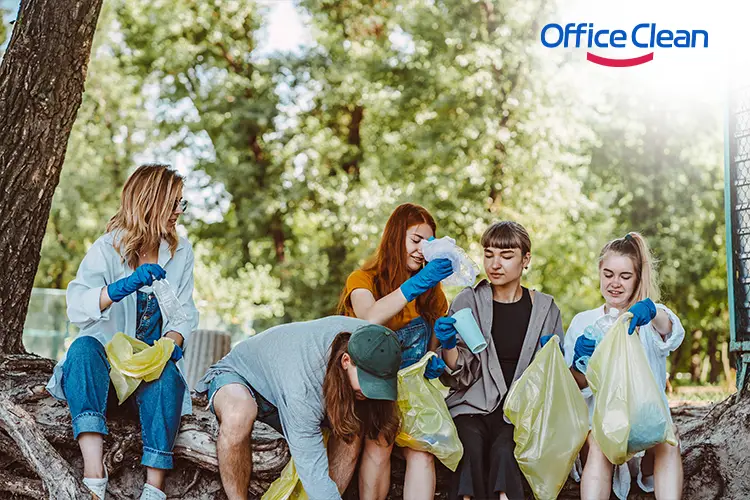
- Biodegradable chemicals.
- Low-toxicity disinfectants.
- Microfiber cloths that capture dust without sprays.
- Refillable spray bottles to reduce plastic waste
Why Should You Hire a Professional School Cleaning Service?
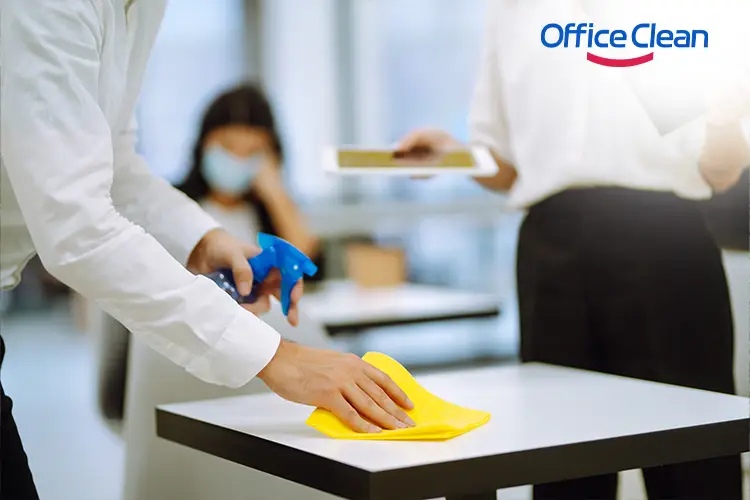
Hiring a professional school cleaning service ensures a safe, hygienic, and healthy learning environment for students and staff. These trained cleaners follow strict cleaning protocols and utilize specialized equipment to effectively rid classrooms, bathrooms, hallways and high-touch surfaces of germs, dust and allergens.
Professional teams are also familiar with school hygiene standards-setting and can develop your school’s specific needs, whether this will be everyday school cleaning, deep cleaning during holidays, or disinfection during seasonal illness. Outsourcing to experts minimizes the risk of illness, enhances indoor air quality, and provides a more welcoming and productive environment. Plus, it allows teachers and staff to focus fully on education, while professionals handle the cleaning efficiently and safely.
Conclusion
The importance of keeping our schools clean and healthy is paramount for everyone. There are so many benefits of regular cleaning, we’ve covered all of them in this article.
Adopting regular cleaning practices along with eco-friendly methods can be a way to be sure of a safe as well as productive learning space while also being a step toward a greener, healthier future for everyone.
FAQ’s
1. Why is regular school cleaning important?
Regular cleaning helps maintain a healthy learning environment by reducing germs, dust, and allergens. It keeps students and staff safe from illnesses and improves focus and attendance.
2. How often should schools be cleaned?
Schools should be cleaned daily, with deeper cleaning done weekly or monthly depending on usage and foot traffic. High-touch areas like doorknobs and desks need frequent disinfection.
3. What areas of a school need the most attention during cleaning?
Restrooms, classrooms, cafeterias, and playgrounds should be prioritized since they are high-contact zones where bacteria and dirt build up quickly.
4. How does a clean school affect student performance?
A clean, fresh environment helps students concentrate better, reduces distractions, and boosts morale—leading to better academic performance and fewer sick days.
5. What cleaning products are best for schools?
Eco-friendly and non-toxic cleaning products are best. They keep classrooms safe while minimizing exposure to harsh chemicals for students and staff.
6. Should schools hire professional cleaning services?
Yes. Professional cleaners have the right tools, training, and disinfectants to ensure all areas—including hard-to-reach spots—are cleaned thoroughly and safely.
7. How can regular cleaning help reduce absenteeism?
By minimizing the spread of germs and viruses, regular cleaning lowers the risk of students and teachers falling ill, which helps maintain better attendance rates.
8. What’s the difference between regular and deep cleaning in schools?
Regular cleaning covers daily maintenance tasks like dusting and mopping. Deep cleaning involves more intensive sanitization, including carpets, walls, windows, and ventilation systems.
9. How can schools maintain cleanliness between professional cleanings?
Encouraging students and teachers to practice good hygiene, such as washing hands and keeping desks tidy, helps maintain cleanliness throughout the day.
10. What are the long-term benefits of regular school cleaning?
Over time, consistent cleaning prevents damage to school property, extends the lifespan of furniture and flooring, and builds a positive, welcoming image for parents and visitors.